
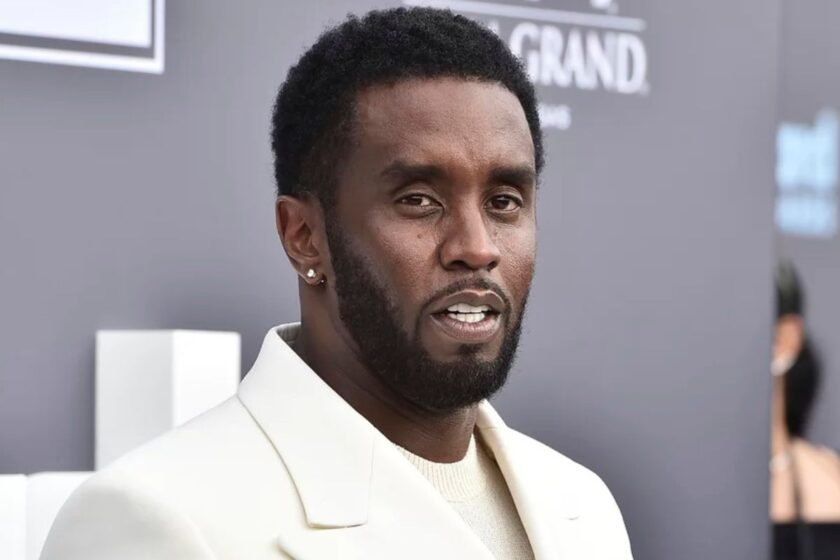

Sean “Diddy” Combs, the influential music mogul, is actively pursuing a presidential pardon after being convicted on two federal counts of transportation to engage in prostitution. Despite being acquitted of more severe charges, including sex trafficking and racketeering, Combs faces a potential sentence of up to 20 years in prison. His legal team has reportedly reached out to President Donald Trump’s administration, expressing hope for clemency ahead of his scheduled sentencing on October 3, 2025.
Read: California’s Legal Fight Against Trump Yields Massive Returns, Bonta Claims
Legal Proceedings and Conviction
Combs’s trial concluded in July 2025, with the jury finding him guilty on two counts related to transporting individuals across state lines for prostitution. These convictions stem from allegations involving former partners and male sex workers. The prosecution sought a sentence of at least 51 months, while the defense has filed an appeal and is preparing for the upcoming sentencing hearing.
Also read: Lawrence Considers $750K Tax Break for Senior Affordable Housing
Pardon Efforts and Presidential Response
Attorney Nicole Westmoreland confirmed that Combs’s legal team has initiated discussions with the White House regarding a possible pardon. However, President Trump has expressed reluctance, citing Combs’s past critical statements during his presidential campaign as a complicating factor. Trump acknowledged their former friendship but indicated that granting clemency would be “more difficult” due to these tensions.
Also read: Russia End INF Treaty as U.S. Moves to Deploy Missiles
Public and Celebrity Reactions
The prospect of a pardon has sparked varied reactions. Supporters, including rapper Kanye West, have publicly advocated for Combs’s release, viewing him as a victim of a broader conspiracy. Conversely, critics, such as rapper 50 Cent, have urged President Trump to deny the pardon, citing Combs’s previous disparaging remarks. These opposing views highlight the complex interplay of public opinion and political affiliations in the consideration of clemency.
Also read: ICE Gets Unprecedented $75B Boost Under Trump’s Immigration Bill
Outlook and Next Steps
As Combs awaits sentencing, his legal team continues to explore avenues for a reduced sentence and potential release. The outcome of the pardon request remains uncertain, with President Trump indicating that any decision would be influenced by the facts and circumstances surrounding the case. The coming weeks will be pivotal in determining Combs’s legal future and the broader implications for celebrity involvement in political matters.
Also read: Trump Administration Moves to End Abortion Access for Veterans
Media Coverage and Public Perception
The intense media spotlight on Sean “Diddy” Combs’s trial and pardon efforts has shaped public perception in significant ways. News outlets and social media platforms have amplified both the legal complexities and the personal drama surrounding the case. Supporters argue that much of the coverage has been sensationalized, painting Combs unfairly and overshadowing key legal facts. Conversely, critics contend that transparency is essential given the severity of the convictions and the potential precedent a pardon could set. This polarized media narrative reflects broader cultural debates about justice, privilege, and accountability, with some commentators noting how race, celebrity status, and political allegiances influence public discourse and legal outcomes.
Also read: Record 78,000 Apply to Join ICE to Support Trump’s Deportation Efforts
Political Calculations and the Role of Clemency
President Trump’s hesitancy to grant a pardon to Combs highlights the intricate political calculations involved in exercising executive clemency. Clemency decisions often balance legal merit with political fallout, especially when high-profile figures are involved. For Trump, granting clemency to a former critic could alienate parts of his political base, while denying it risks accusations of unfairness or personal vendettas. Additionally, the timing of the decision amid the upcoming 2025 presidential election adds pressure to avoid controversy.
Next up :