

As San Francisco faces a massive budget deficit, essential housing programs serving the city’s most vulnerable renters are at risk of being cut entirely. Two long-running initiatives, the Code Enforcement Outreach Program (CEOP) and the SRO Collaborative, could be eliminated by the Department of Building Inspection (DBI) despite their critical role in protecting low-income tenants living in unsafe conditions.
Read: Landlords Flood $2.5M into Cuomo’s Campaign to Block Rent Freeze
Community-Based Outreach on the Chopping Block

On Monday, several housing nonprofits received emails revealing the loss of all city funding for both the CEOP and the SRO Collaborative program. These initiatives, funded through DBI and operating for decades, offer multilingual support, housing counselling, tenant education, and fire safety outreach, particularly targeting residents in single-room-occupancy (SRO) hotels and other low-income housing.
Also read: Landlords Flood $2.5M into Cuomo’s Campaign to Block Rent Freeze
A $4.8 Million Lifeline at Risk

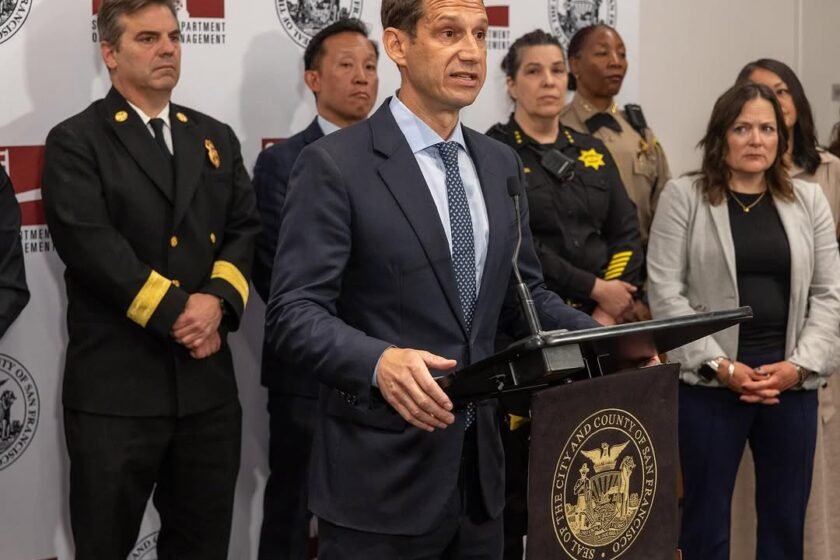
DBI’s proposed two-year budget removes the $4.8 million allocation that funds these outreach programs. This cut is part of Mayor Daniel Lurie’s larger plan to eliminate $185 million in grants and contracts to help close an $800 million shortfall in the city’s upcoming two-year budget. The funding loss would impact approximately 15 outreach workers across multiple nonprofits.
Also read: Kansas City Tenants Secure Rent Freeze After Historic 247-Day Strike
Longstanding Programs in Jeopardy

The Code Enforcement Outreach Program was launched in 1996. The SRO Collaborative has also existed for over 25 years. These programs have earned consistent support from both tenant advocates and landlord organizations. Their potential elimination is raising alarm among service providers, many of whom were caught off guard despite their anticipation of modest reductions.
Also read: Florida’s Capitol Museum Opens Free to Public, Features 250 Artifacts
Nonprofits Blindsided by Full Funding Elimination

Organizations such as Chinatown Community Development Center (CCDC), the Tenderloin Housing Clinic, and the Housing Rights Committee were expecting a 15 to 25 percent reduction, not complete defunding. Lisa Yu of CCDC expressed shock, noting that they had recently advocated before DBI’s commission, which had supported continued funding.
Also read: Buy or Rent in 2025? Here’s What the Experts Say Before You Decide
Undermining City Recommendations

DBI’s Building Inspection Commission had recommended maintaining the grants and even suggested increasing inspection fees by 1.5 percent to offset the proposed general fund cuts. In a letter to the Board of Supervisors, the commission warned that slashing these outreach services would only worsen housing conditions, potentially leading to more homelessness and health problems among tenants.
Also read: Fire Destroys St. Agnes Church in Michigan, Ending 102 Years of Legacy
Services with Proven Impact

According to DBI spokesperson Patrick Hannan, the outreach programs have helped hundreds of tenants resolve unsafe housing situations. These services offer a bridge between tenants and city inspectors, especially for those with language barriers or limited access to city systems. For example, CCDC provides disaster preparedness workshops and conducts home visits to 43 SROs in Chinatown, assisting around 80 families and over 180 tenants per quarter.
Also read: Philadelphia Council Advances One Bill to Help Displaced Renters, Stalls Others
Funding Cuts Could Disrupt Housing Stability

For many nonprofits, the grants represent a significant share of their budgets. The Housing Rights Committee depends on the DBI grants for 16 percent of its funding, while the Tenderloin Housing Clinic could lose about $900,000. Without these funds, organizations may be forced to reduce staff, end programs, or shut down altogether.
Also read: Kansas City Tenants Secure Rent Freeze After Historic 247-Day Strike
Collaboration Between Landlords and Tenants at Stake

Notably, these outreach efforts are rare examples of collaboration between tenant advocates and landlord organizations. The San Francisco Apartment Association, which stands to lose $150,000 in funding, supports the programs, citing their effectiveness in improving housing conditions and easing the burden on city inspectors.