
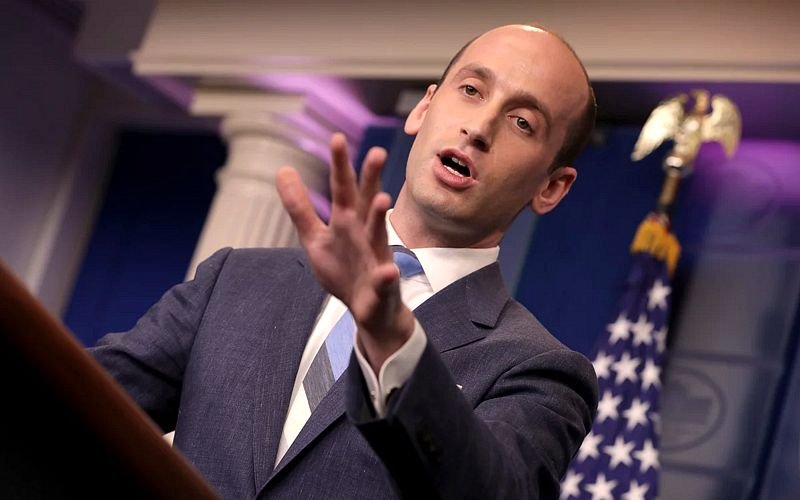
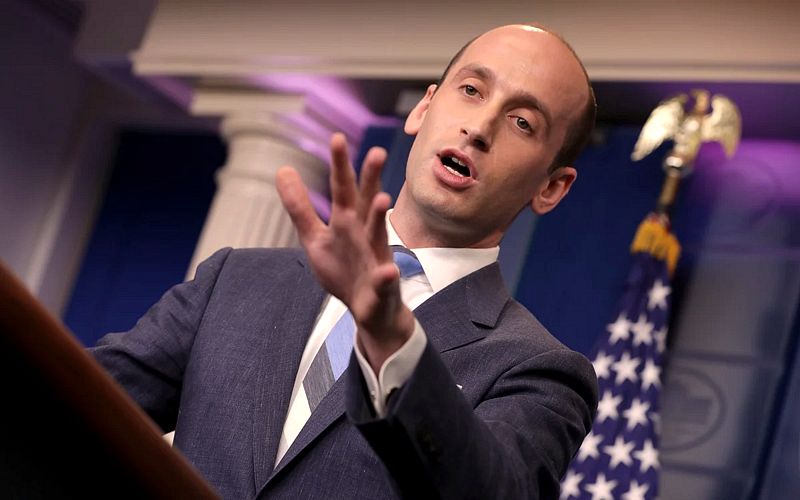
White House Deputy Chief of Staff Stephen Miller, long known for combative exchanges with reporters, abruptly refused to answer questions about the congressional push to release the Jeffrey Epstein files. The sudden silence came as lawmakers passed a bill compelling the disclosure of federal documents tied to the convicted sex trafficker. Miller’s refusal to provide clarity deepened scrutiny of the White House, particularly as President Donald Trump reversed course and now claims he will sign the measure. The administration has still offered no timeline, despite rising bipartisan pressure.
Miller Dodges Epstein Inquiry
During a routine press availability at the White House, Miller’s typical confrontational posture evaporated when a reporter asked him whether the Epstein files bill had reached the president’s desk and whether Trump intended to sign it. The usually fiery aide responded, “So, any questions about that, I have nothing to add to today. I think the White House comms shop has already answered all those questions.” He then moved to another reporter, offering no clarification. His reaction contrasted sharply with his well-documented history of lengthy, aggressive rebuttals during interviews and press briefings.
White House Withholds Timeline
Earlier in the day, a senior White House official offered limited insight to multiple outlets, stating only that “the bill will be signed whenever it gets to the White House,” with no indication of when that might occur. The uncertainty underscored ongoing tensions around the legislation, which Trump had tried for months to derail. His resistance grew stronger as bipartisan support solidified, making the bill’s passage virtually guaranteed.
President Reverses Position
Trump, who once dismissed the controversy as a Democratic “hoax,” shifted tone when speaking to reporters on Monday. When asked if he would sign the bill, he said, “Sure, I would.” The move marked a stark reversal for the 79-year-old president, who had previously pressured Republican lawmakers not to support the measure. The reversal also resurfaced images and reports documenting Trump’s past friendship with Epstein, whose name has appeared in related files.
Attorney General Stumbles
Attorney General Pam Bondi, another top Trump ally, faced similar difficulty navigating the issue on Wednesday. Her department released a memo in July asserting that “no further disclosure would be appropriate or warranted” and that officials “did not uncover evidence that could predicate an investigation against uncharged third parties.” When asked what had changed, Bondi offered a halting explanation, saying, “Information that has come for, um, information. There’s new information, additional information,” without specifying what she meant. She added, “We will continue to follow the law to investigate any leads.”
Long-standing Concerns Raised
Some lawmakers from both parties have cautioned that even with Trump’s signature, the administration may still withhold substantial portions of the Epstein files. The legislation allows the Justice Department to conceal materials if disclosure “would jeopardize an active federal investigation.” Bondi announced last week that she intends to launch investigations into Democrats once associated with Epstein, raising concerns that the administration could use the provision to limit transparency.
Political Stakes Deepen
The debate over the release of Epstein’s files has grown increasingly charged as both political parties brace for potential fallout. Images resurfacing Trump’s past interactions with Epstein and Ghislaine Maxwell have intensified calls for clarity. Lawmakers warn that partial disclosure would fuel further suspicion, while full transparency could have unpredictable repercussions. The lingering inability of senior White House figures to offer straightforward answers has only heightened public attention.