
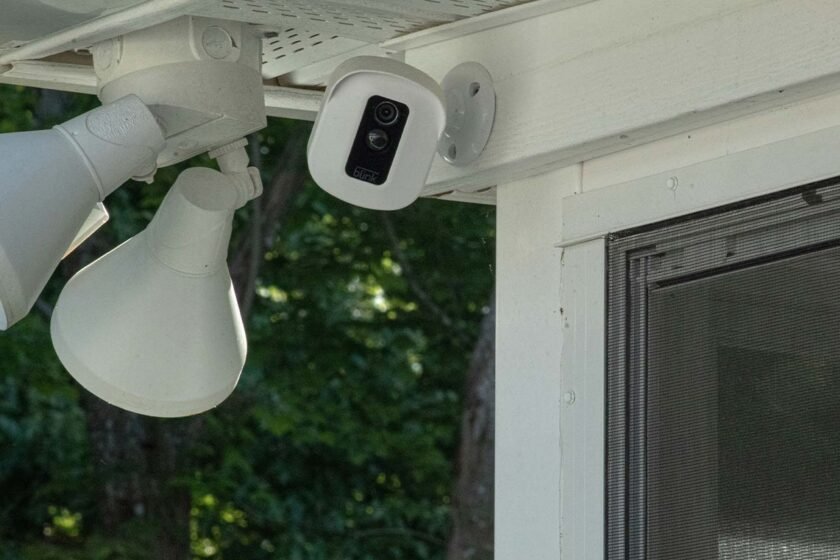
Doorbell cameras have become a popular security upgrade for modern homes, offering convenience, peace of mind, and real-time monitoring. But while they seem like a smart addition, these devices aren’t without drawbacks. From privacy concerns to unexpected costs, there are downsides many homeowners overlook. Before you mount that camera, here’s what you need to know—and how to protect yourself.
1. They Can Be a Serious Privacy Risk
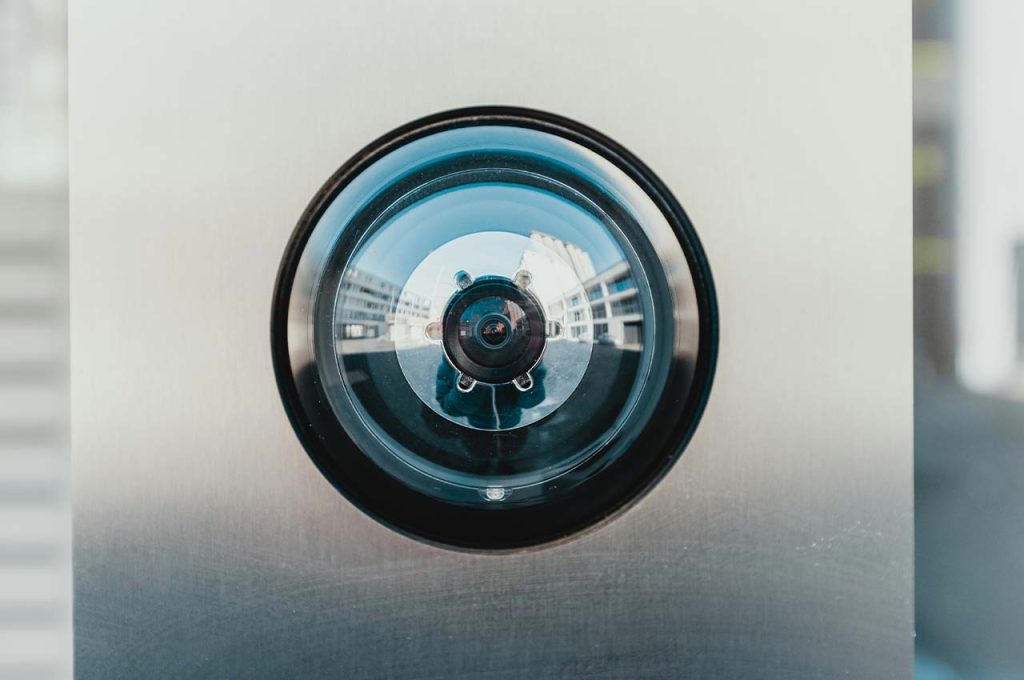
Doorbell cameras can unintentionally record neighbors, pedestrians, and conversations happening near your home, creating serious privacy concerns. In some areas, this could even lead to legal issues. The wide-angle lenses often capture more than you realize, making others feel watched or uncomfortable. To avoid overreach, adjust the camera’s angle, use privacy zones in the app, and inform frequent visitors that the area is under surveillance. Respect goes a long way in maintaining peace.
2. Your Footage Might Not Be as Private as You Think

Many doorbell cameras store footage in the cloud, where it’s often accessible by third-party companies or vulnerable to data breaches. Even if you think your videos are private, they may be reviewed for “quality control” or shared with law enforcement without your knowledge. To protect your privacy, review your camera’s data policies, disable unnecessary sharing settings, and opt for end-to-end encryption when available to keep your footage truly secure.
3. Hackers Love Doorbell Cameras, Too
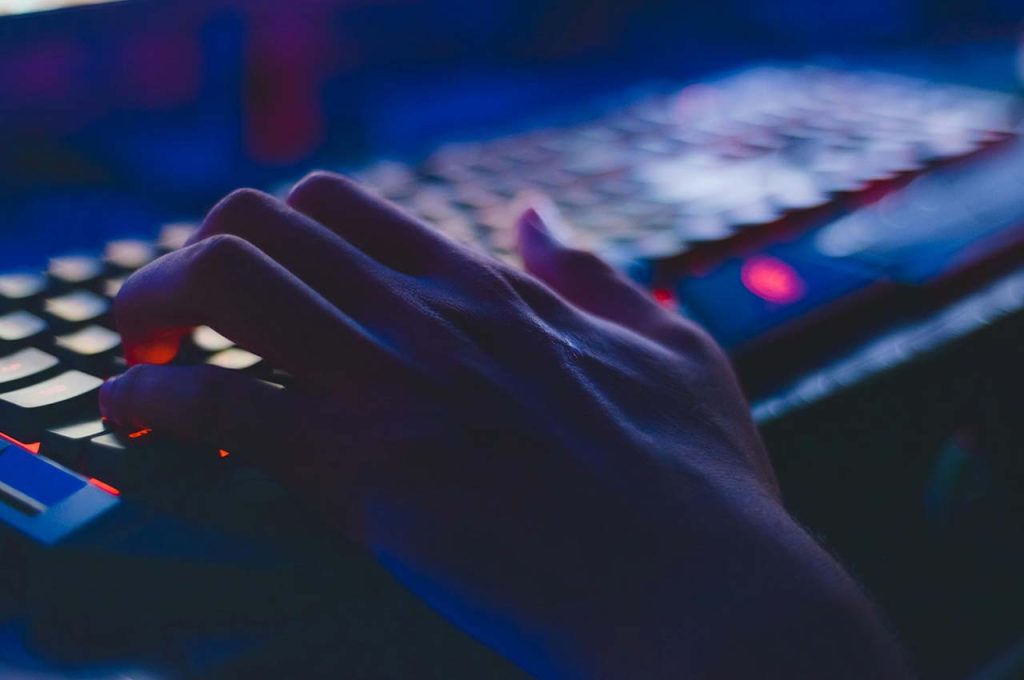
Smart devices are only as secure as your network—and doorbell cameras are often entry points for hackers. Once breached, cybercriminals can spy on your home, access stored footage, or use your camera as a gateway into your Wi-Fi. Without proper security settings and updates, that sleek doorbell becomes a digital liability. Use strong, unique passwords, enable two-factor authentication, and keep your device’s firmware updated to stay one step ahead.
4. Constant Alerts Can Be Mentally Exhausting
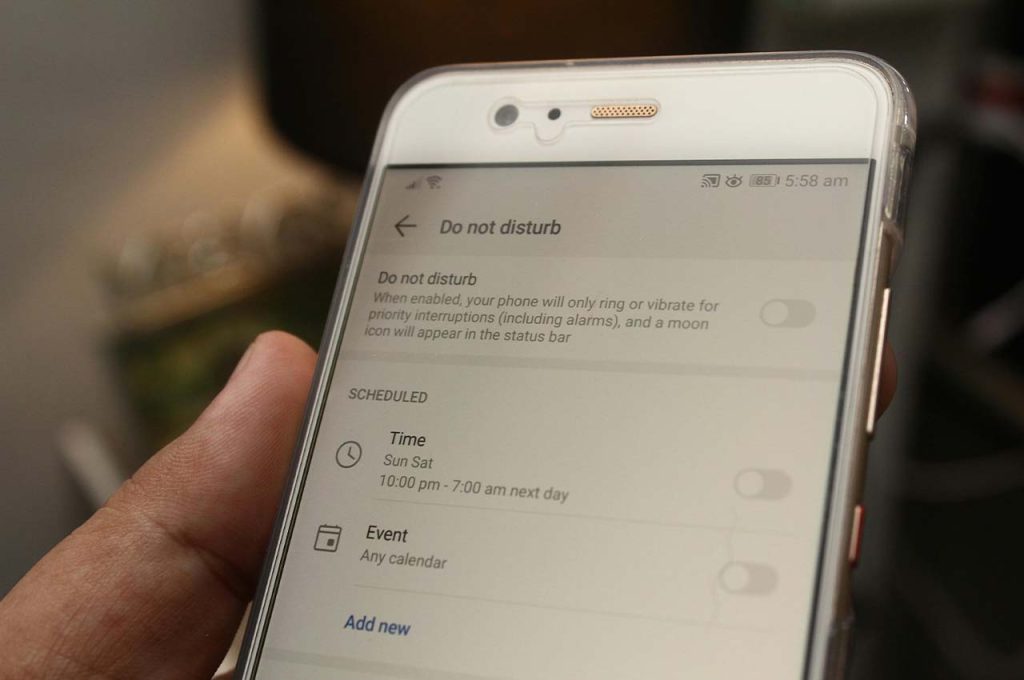
While doorbell cameras offer real-time updates, the constant stream of motion alerts—from delivery drivers to passing cars—can quickly become overwhelming. This digital noise creates a sense of hyper-vigilance, making it hard to relax in your own home. Over time, it can even lead to alert fatigue, where you start ignoring notifications altogether. To fix this, fine-tune your motion sensitivity settings and customize activity zones to cut down on unnecessary pings.
5. They Might Not Deter Crime Like You’d Expect

Many people assume doorbell cameras are a strong crime deterrent, but the reality is more complex. While they may discourage some petty thefts, determined criminals often aren’t fazed—especially if they’re wearing masks or act quickly. Some even target homes with cameras, assuming valuable tech is inside. To truly enhance security, pair your camera with good lighting, reinforced doors, and neighborhood awareness—not just the illusion of surveillance.
6. Neighborhood Tensions Can Rise

Doorbell cameras can inadvertently stir up neighborhood tensions, especially when neighbors feel they’re being recorded without consent. Disputes may arise over shared driveways, property lines, or perceived surveillance, turning friendly streets into zones of mistrust. To ease concerns, communicate openly with neighbors, be transparent about your camera’s range, and adjust angles to respect shared spaces. A little courtesy can go a long way in preserving community harmony.
7. You May Be Sharing Data With Law Enforcement
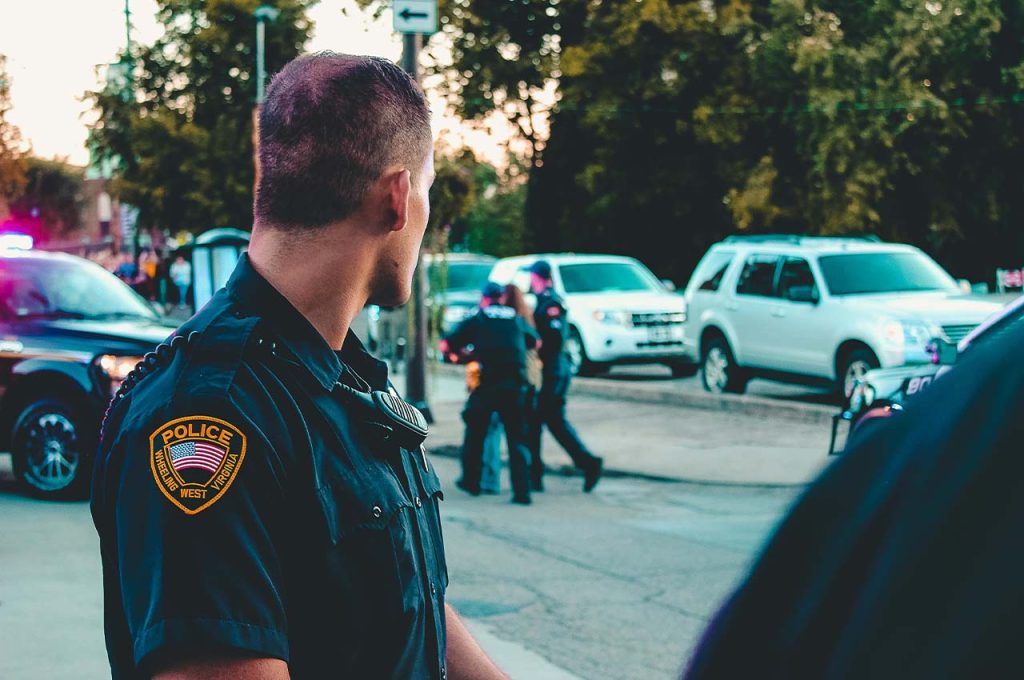
Many doorbell camera companies have partnerships with law enforcement, allowing footage to be accessed—sometimes without your direct consent. While intended to help solve crimes, this can lead to broader surveillance concerns and raise questions about where your data ends up. To stay in control, review your camera’s privacy policies, opt out of data-sharing programs if possible, and be cautious about granting access without a warrant or clear reason.
8. They Come With Hidden Subscription Costs

Doorbell cameras may seem like a one-time purchase, but many require ongoing subscriptions to access full features like video storage, advanced motion detection, or facial recognition. Without paying the monthly fee, your camera might function more like a door chime than a security tool. Before buying, check what features are included for free and what’s locked behind a paywall. If you’re budget-conscious, choose models with local storage or low-cost plans.
9. False Sense of Security Is a Real Problem
Relying solely on a doorbell camera can create a dangerous false sense of security. While these devices offer a view of your front porch, they don’t protect against break-ins through back doors, windows, or other vulnerable areas. Many homeowners let their guard down, thinking a single camera is enough. To truly stay safe, use your doorbell cam as part of a layered security system that includes strong locks, lighting, and basic home safety habits.
10. Poor Internet = Poor Performance
Doorbell cameras rely heavily on a strong, stable internet connection. Without it, you may experience delayed notifications, blurry footage, or complete service outages—especially during crucial moments. A spotty Wi-Fi signal near your front door can make your camera almost useless when it matters most. To improve performance, upgrade your router, use a Wi-Fi extender, or choose a device that works well on lower bandwidths to ensure constant coverage.
Want to see more from Remodr?

Drop a comment below, share this with your friends and family, and don’t forget to follow us for more fresh ideas, updates, tips, and home trends.
This article was created with the assistance of AI but thoroughly edited by a human being.