

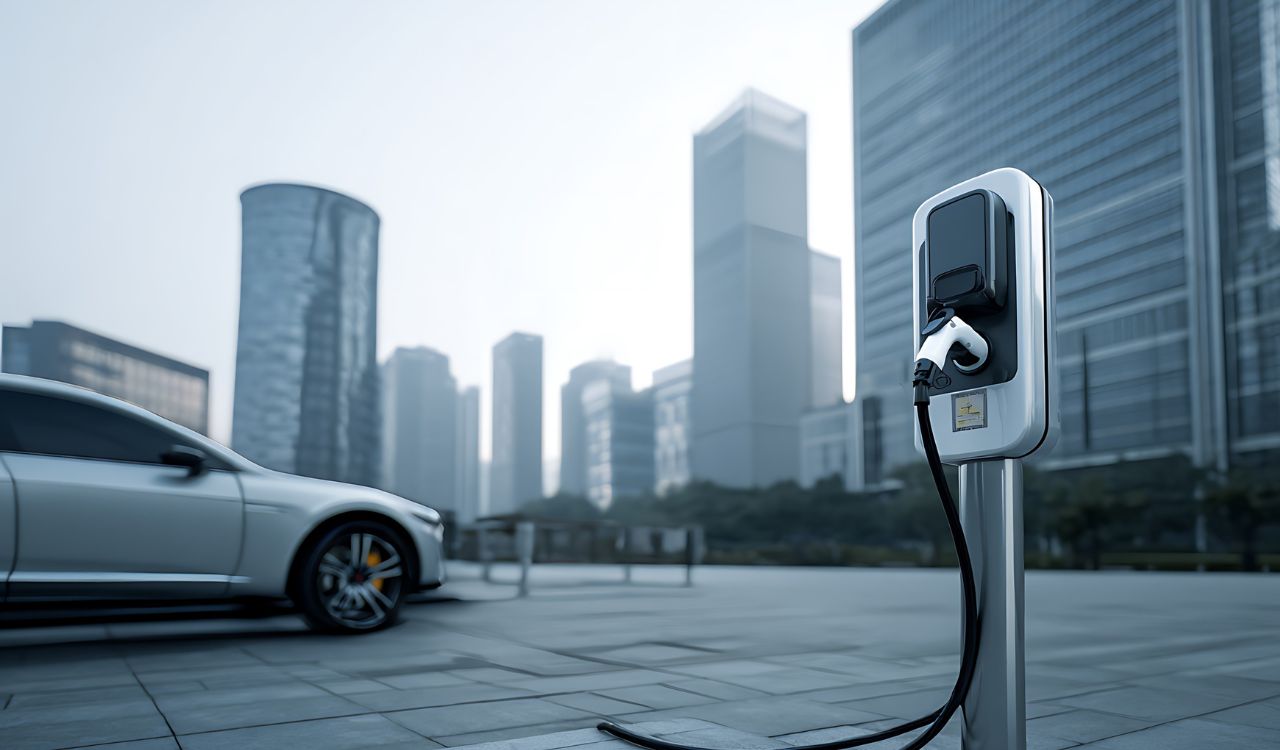
In recent years, the United States has moved aggressively toward reducing vehicle emissions and promoting electric vehicles (EVs). Both federal and state governments are implementing policies to accelerate the transition, which could make owning or buying a traditional gas or diesel car increasingly difficult. While these rules aim to fight climate change, they could also introduce unexpected challenges for car owners who are not ready to switch to electric.
1. Nationwide emissions and fuel economy mandates pushing EV sales

The Environmental Protection Agency (EPA) has introduced emissions and fuel economy standards for cars from 2027 to 2032. Automakers will be required to cut greenhouse gas emissions significantly, which could force them to sell far more EVs or hybrids. Some estimates suggest that by 2032, up to 56% of new light-duty cars sold in the U.S. may need to be fully electric. These rules will gradually reduce the availability of traditional gasoline-only cars for buyers who prefer them.
2. State zero-emission vehicle mandates phasing out gas cars

Several states, led by California, have implemented zero-emission vehicle (ZEV) mandates. Under California’s rules, 35% of new cars sold must be zero-emission by 2026, 68% by 2030, and nearly 100% by 2035. Over a dozen states, plus the District of Columbia, have pledged to follow similar regulations. This means that a growing portion of the U.S. auto market could eventually eliminate new gasoline-only vehicles, making it harder for buyers who want traditional engines to find them.
3. Potential impact on resale value of gas cars

If states fully phase out new gasoline vehicles, car buyers will face limited choices. Owners of existing gas-powered cars may see resale values drop as demand decreases, especially for larger SUVs or specialty vehicles that are hard to electrify. While ICE vehicles will not be immediately banned, the reduction in available new models and the increasing emphasis on EVs could make owning a gasoline car riskier financially in the long term.
4. Higher prices and restricted options for gas vehicles

As automakers focus on meeting emissions quotas, they may produce fewer gasoline-only models. This could lead to limited variety, higher prices, and fewer options for buyers who want traditional cars. Large SUVs, pickup trucks, and sports cars may be particularly affected, as these are more difficult to electrify. Combined with stricter fuel economy rules, the cost and convenience of owning a gas car could increase over time, pushing more people toward EVs.
5. Regulatory uncertainty adds stress for ICE owners
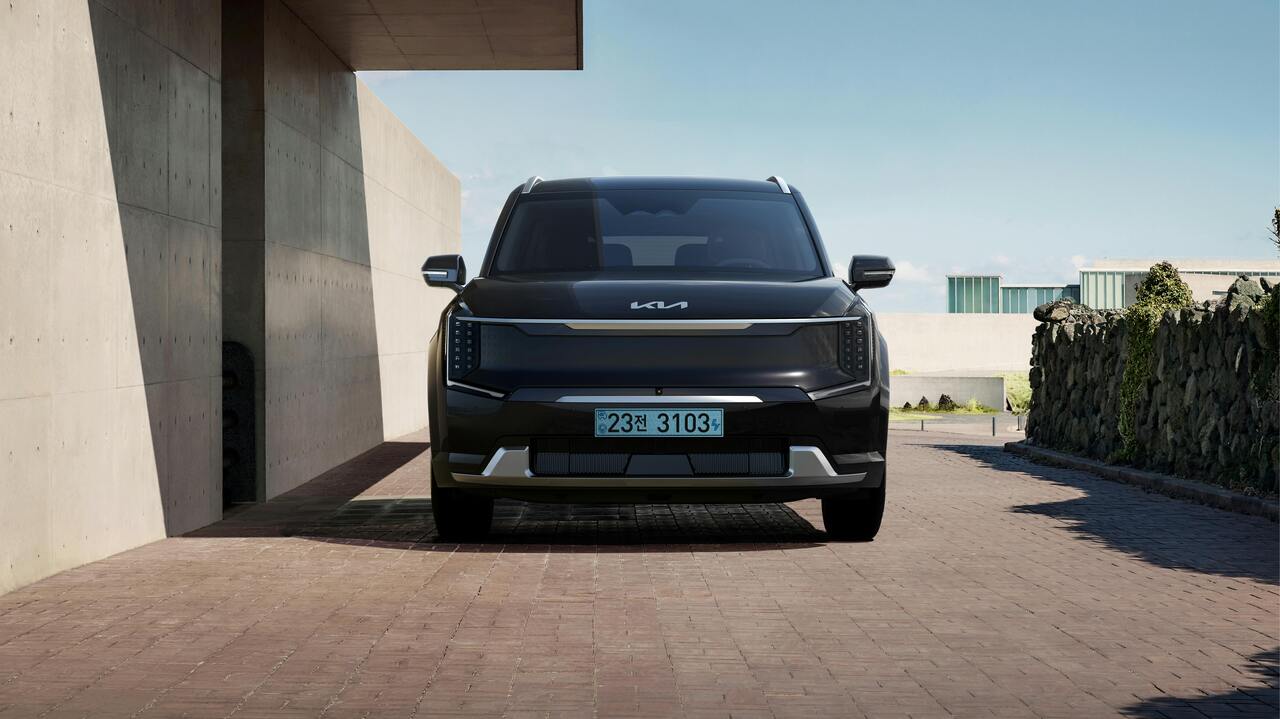
The EV transition is highly politicized, and rules may shift with different administrations. Departments like the EPA and DOT are reviewing mandates and could adjust requirements, creating uncertainty for car buyers. Someone purchasing a gas-powered car today may face stricter emissions or registration rules in a few years. This uncertainty can make long-term ownership of traditional vehicles feel risky and inconvenient, as compliance costs and regulations could rise unexpectedly.
6. EV infrastructure and social policies may favor electric cars

Governments are heavily investing in charging infrastructure, subsidies, and incentives for EV buyers. Cities and states are introducing policies that make owning an EV easier, such as priority parking, tax benefits, and access to fast-charging networks. Over time, gasoline cars could become less convenient, with limited access to certain areas or services, higher costs, and fewer perks. While not illegal, traditional cars could gradually lose their advantages in urban and suburban areas.