

Buford Pusser has long been remembered as a legendary sheriff who fought crime in the rural South, celebrated in films and stories as a symbol of justice and courage. Yet, modern forensic investigations and reexaminations of his wife Pauline’s, death suggest a far more complex reality. Evidence of staged crime scenes, inconsistent wound patterns, and potential domestic conflicts challenges the heroic narrative that has endured for decades. This case reveals how myth, personal life, and historical events intertwine, urging a closer look at what really happened and prompting a reassessment of Pusser’s legacy.
1. New Forensic Findings Suggest Murder, Not Ambush
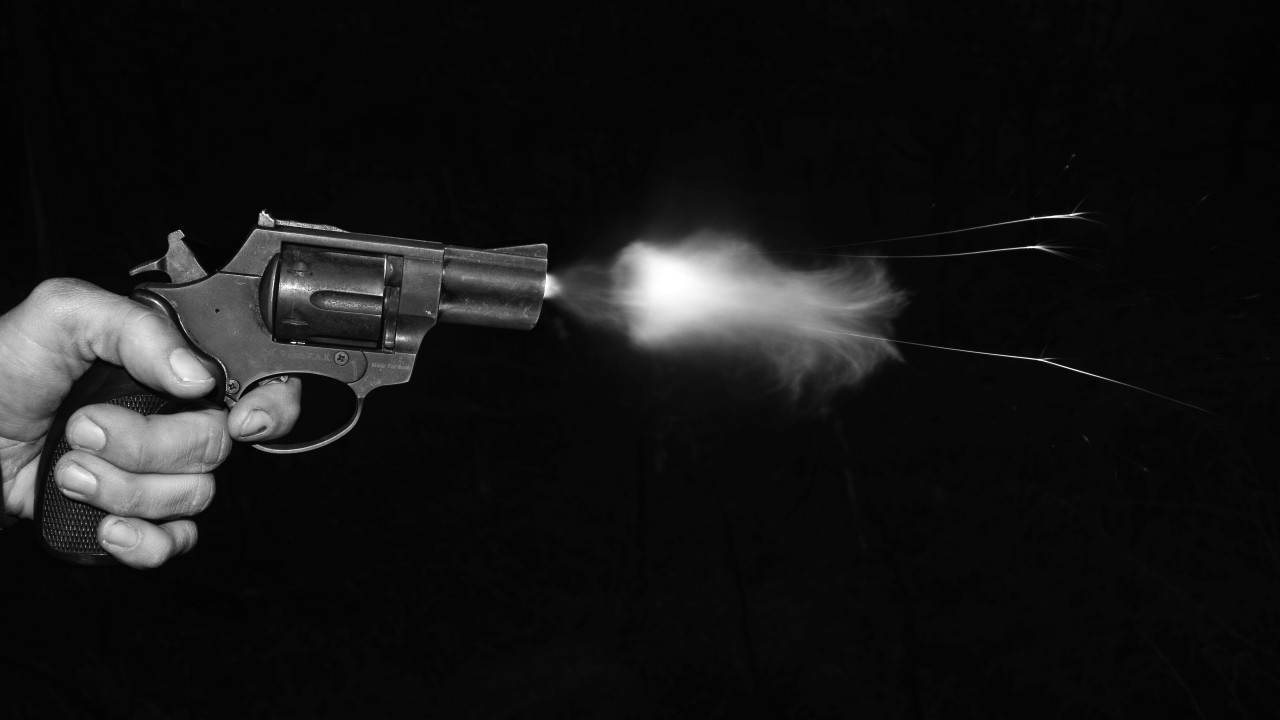
Buford Pusser claimed his wife, Pauline, was killed in a roadside ambush, but forensic evidence suggests she was shot outside the car and then placed inside. Experts analyzing the wound trajectory and body positioning conclude the scene was likely staged. This contradicts the ambush narrative that shaped his legend and raises questions about the events that day. The revelation challenges Pusser’s hero image and points to deliberate manipulation rather than random violence. Modern investigators emphasize that these findings demand a careful reexamination of the original case.
2. Blood‑Spatter Patterns Dispute His Account

Crime-scene reconstruction revealed blood spatter on the exterior of the car, contradicting Pusser’s version of the attack. The pattern and angle indicate a close-range incident rather than a drive-by shooting. Forensic experts argue that these findings suggest the situation may have been controlled by someone in immediate proximity. This critical insight challenges the longstanding narrative of Pusser as a victim of random violence and calls for a reassessment of the events surrounding Pauline’s death. The blood evidence alone has shifted public and professional understanding of the case.
3. His Own Gunshot Wound Likely Self‑Inflicted
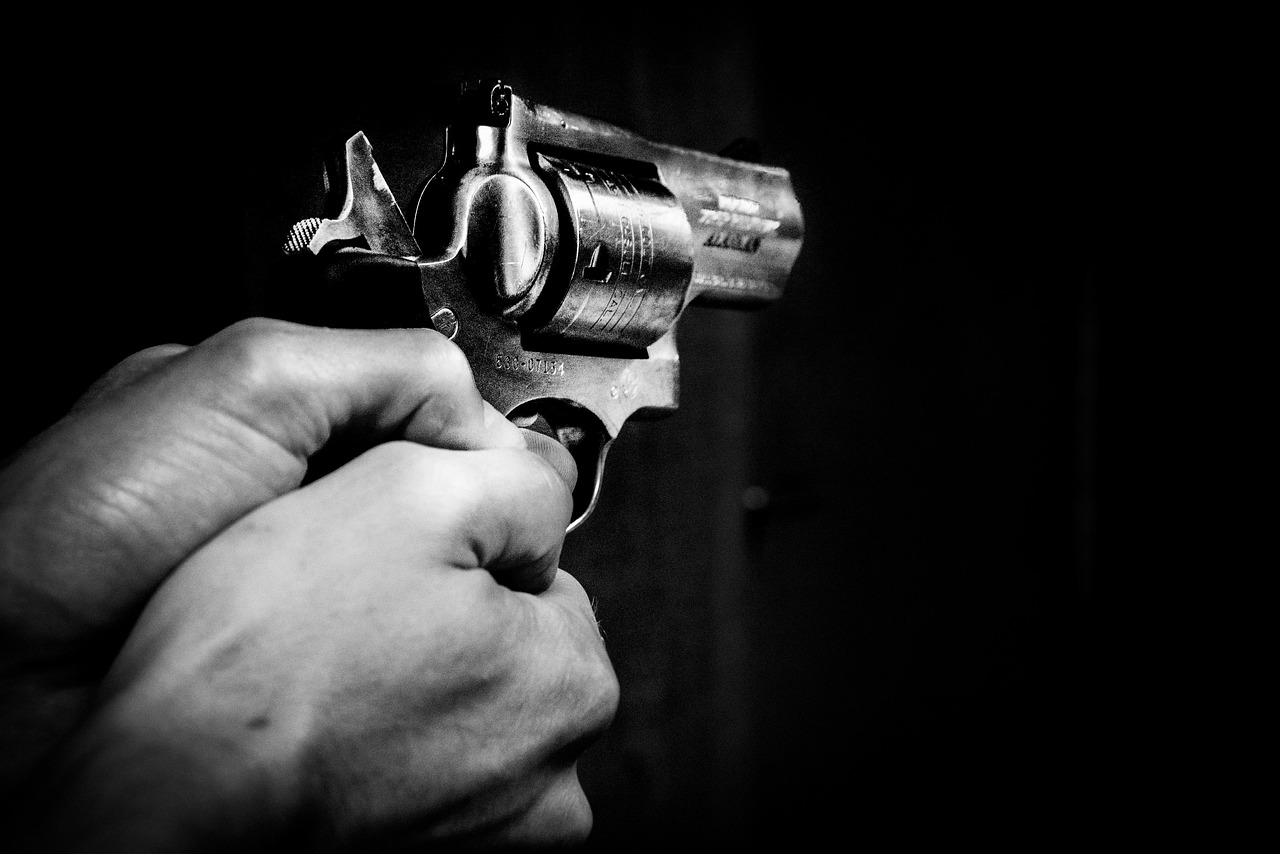
Pusser claimed his facial gunshot wound occurred during the ambush, but experts now suggest it could have been self-inflicted. The entry angle and wound proximity do not match a distant attacker scenario. Forensic analysis indicates the injury may have been caused intentionally, raising questions about his role in orchestrating events. This revelation undermines his credibility and complicates the image of Pusser as a purely heroic lawman, suggesting a more active involvement in the circumstances of the shooting. Analysts note this may change how his actions are interpreted in the historical context.
4. Autopsy Reveals Prior Injuries, Signs of Domestic Abuse

Pauline’s exhumed autopsy revealed a healed nasal fracture, indicating prior trauma. Investigators view this as evidence of ongoing domestic abuse, highlighting tensions in the Pusser marriage. Historical accounts and testimonies point to emotional and physical strain, challenging the public perception of a loving couple. This context suggests Pauline’s life may have involved continuous conflict and danger, revealing a darker dimension to her relationship with Pusser that could have influenced the tragic outcome. Experts argue that this evidence is crucial for understanding potential motives.
5. Staged Crime Scene, Not an Attack
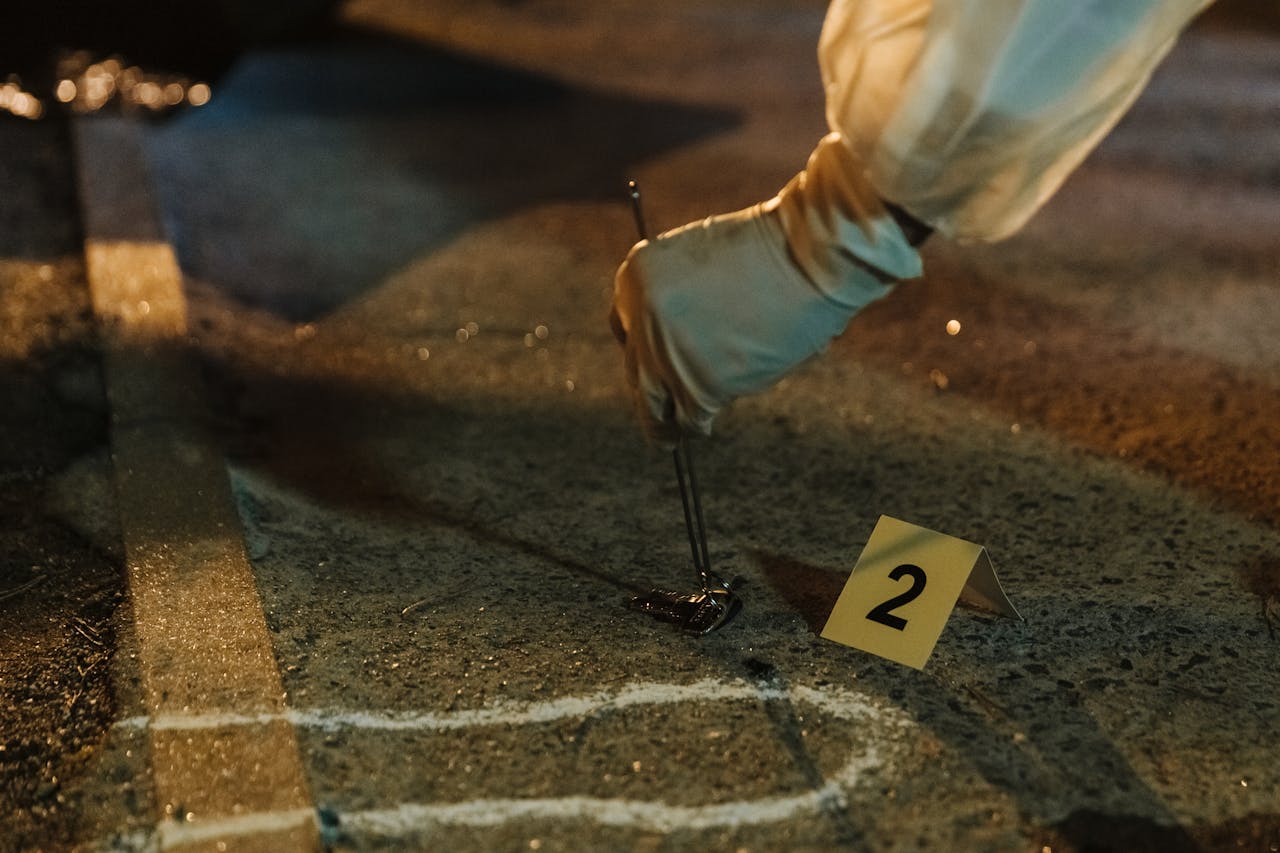
Reinvestigation uncovered inconsistencies suggesting the crime scene may have been staged. Experts identified anomalies in the body placement, blood distribution, and vehicle damage that do not align with an ambush scenario. Forensic reconstruction suggests careful manipulation to obscure the true circumstances of Pauline’s death. This raises doubts about Pusser’s account and suggests that he may have attempted to control the narrative, creating a false impression that protected his reputation while hiding the reality of the events. Analysts emphasize that staging scenes was a deliberate effort to mislead.
6. Multiple Head Wounds Contradict Original Medical Report
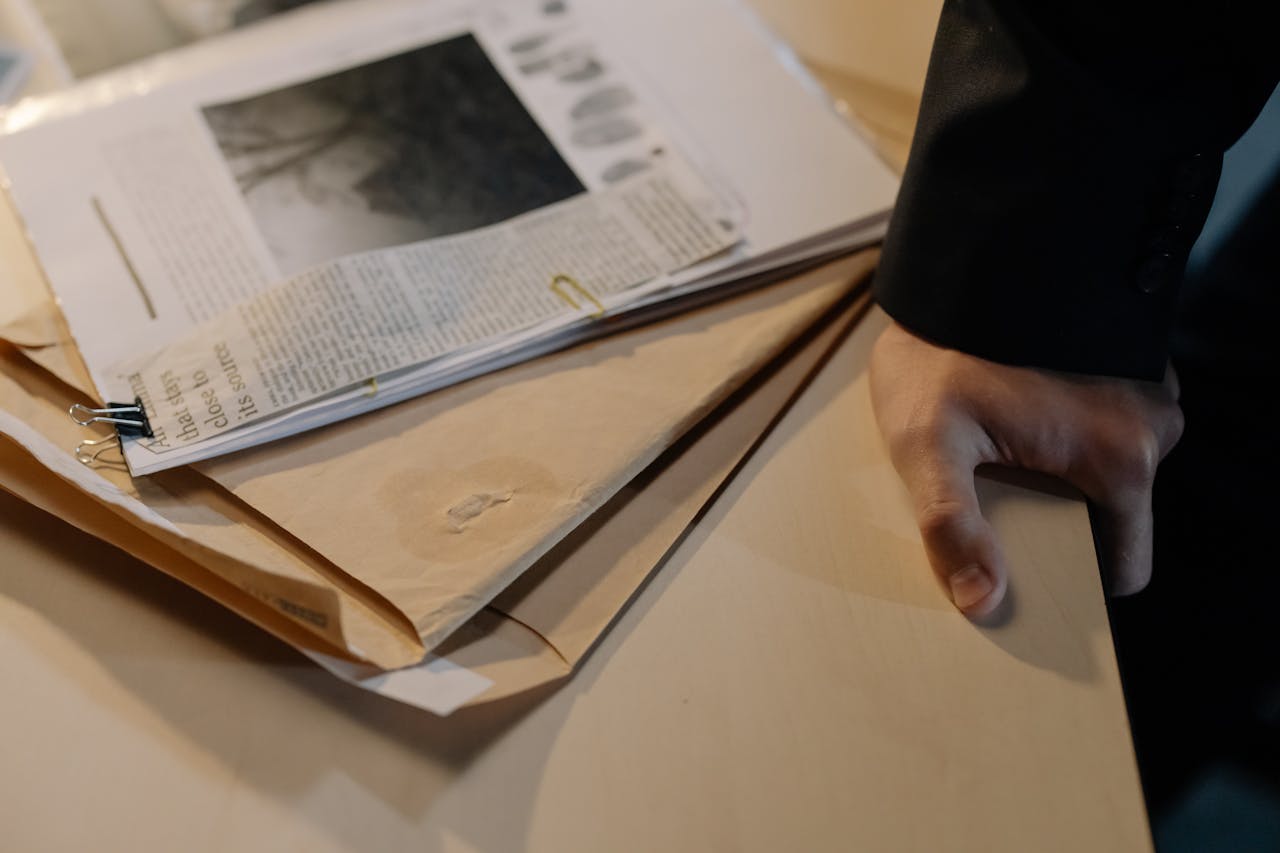
Modern forensics revealed Pauline sustained multiple close-range gunshot wounds to the head, contradicting the original medical report. The trajectory and proximity suggest a deliberate and targeted attack rather than an accidental or external ambush. This discrepancy underscores the importance of reexamining historical cases with advanced methods. Previously overlooked evidence challenges decades of accepted narrative and highlights how new technology can uncover critical details that fundamentally reshape the understanding of past events. These discoveries suggest a far more calculated scenario than previously believed.
7. Domestic Motive: Abuse and Infidelity

Investigators uncovered evidence of domestic abuse and infidelity in the Pusser marriage, suggesting possible motives for foul play. Historical records indicate tension and conflict between the couple, complicating Pusser’s public image as a hero. These dynamics may have influenced the tragic events, revealing a pattern of unresolved disputes and personal conflicts. Understanding this context is crucial to reevaluating the case, showing how private behavior and domestic strife can intersect with public perception and shape the narrative of historical figures. Such motives may have played a significant role in the unfolding tragedy.
8. Pauline May Have Planned to Expose Him

Testimonies and documents indicate Pauline may have planned to report Pusser’s alleged corruption to federal authorities. This potential exposure provides a clear motive for silencing her. The combination of opportunity, domestic conflict, and political consequences paints a complex picture of the events. This perspective challenges the long-standing image of Pusser as a steadfast lawman, suggesting personal and professional pressures may have contributed to his involvement in the tragedy and highlighting the darker aspects of the story behind his public persona. Investigators believe this could have been a decisive factor.
9. Cold Case Reopened After 50+ Years
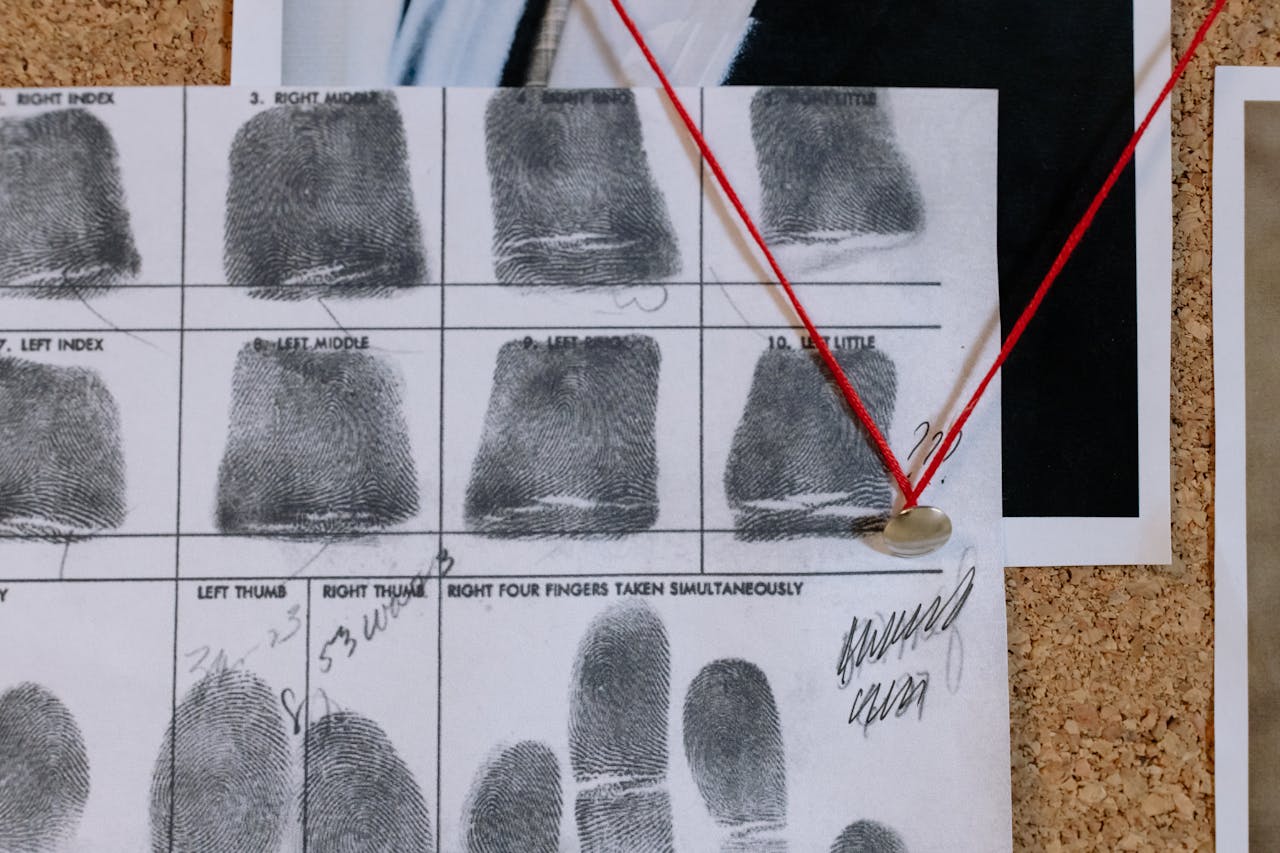
Decades after Pauline’s death, the Tennessee Bureau of Investigation reopened the case, applying modern forensic techniques. Exhumation, ballistic analysis, and advanced crime-scene reconstruction offered insights previously unattainable. This review demonstrates how new investigative tools can uncover overlooked evidence and correct past misinterpretations. The reopening also emphasizes the evolving understanding of historical events and underscores the value of revisiting unresolved cases to gain an accurate and evidence-based interpretation of circumstances long shrouded in mystery. Analysts note this allows fresh perspectives on old assumptions.
10. Prosecutors Say They Would Have Charged Him Today
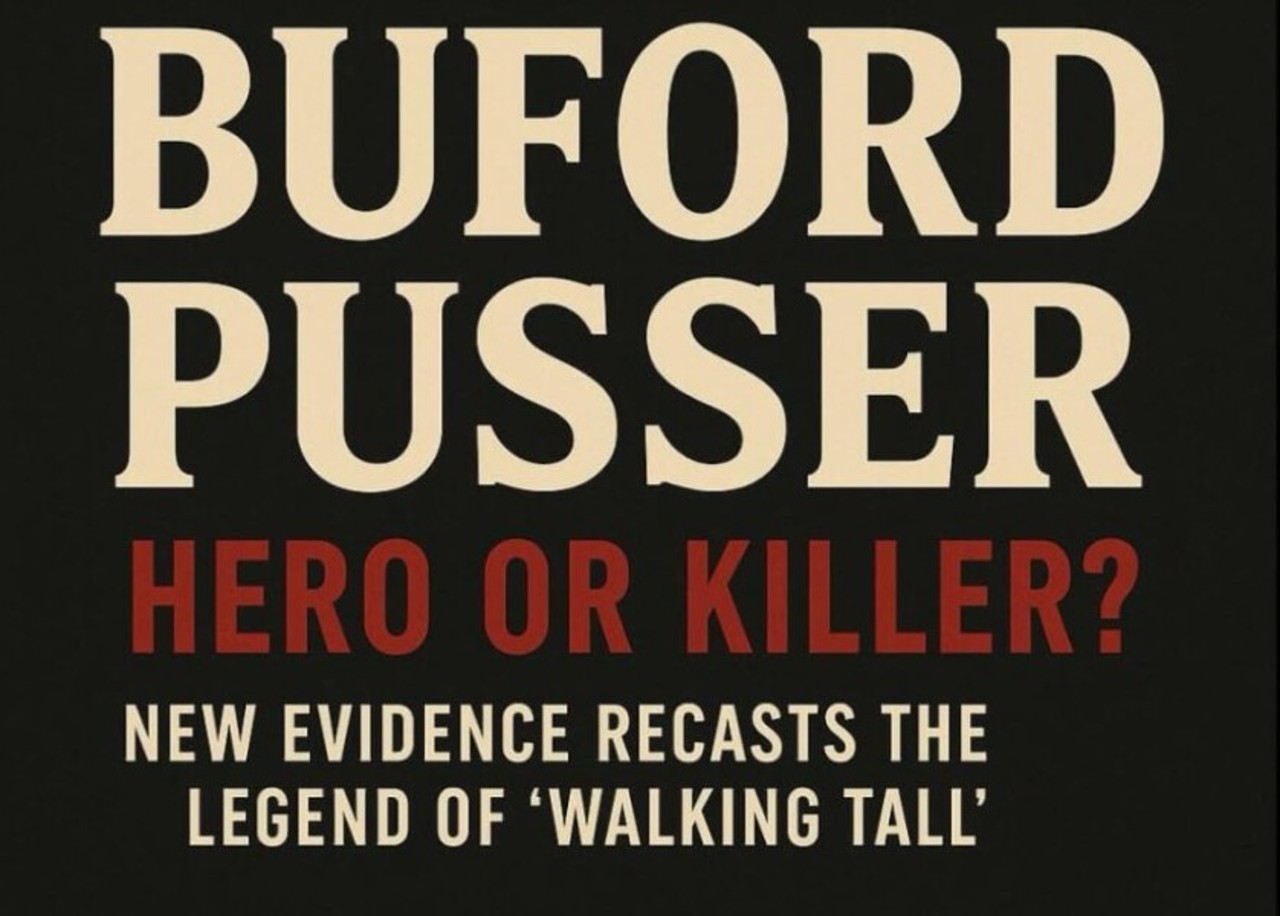
Authorities now state there would likely be sufficient probable cause to indict Pusser if he were alive today. New forensic findings and crime reconstruction support legal action, challenging decades of perception that portrayed him as a hero. This revelation forces a reconsideration of his legacy, highlighting the tension between public image and accountability. The case illustrates how historical narratives can change when fresh evidence emerges, demonstrating that heroism and legality do not always align, and public memory can be reassessed. Legal experts suggest this would alter the entire historical evaluation of his actions.