

Across the United States, battlefields have become living memorials that preserve the nation’s turbulent past. According to the National Park Service, more than 1,400 recognized battle sites mark the landscapes where soldiers once fought to shape America’s destiny. From the rolling hills of Gettysburg to the plains of the Little Bighorn, these grounds invite visitors to reflect on courage, loss, and unity. Walking these fields connects travelers with the human cost of freedom and the stories that continue to define the nation’s identity long after the last shots were fired.
Gettysburg, Pennsylvania
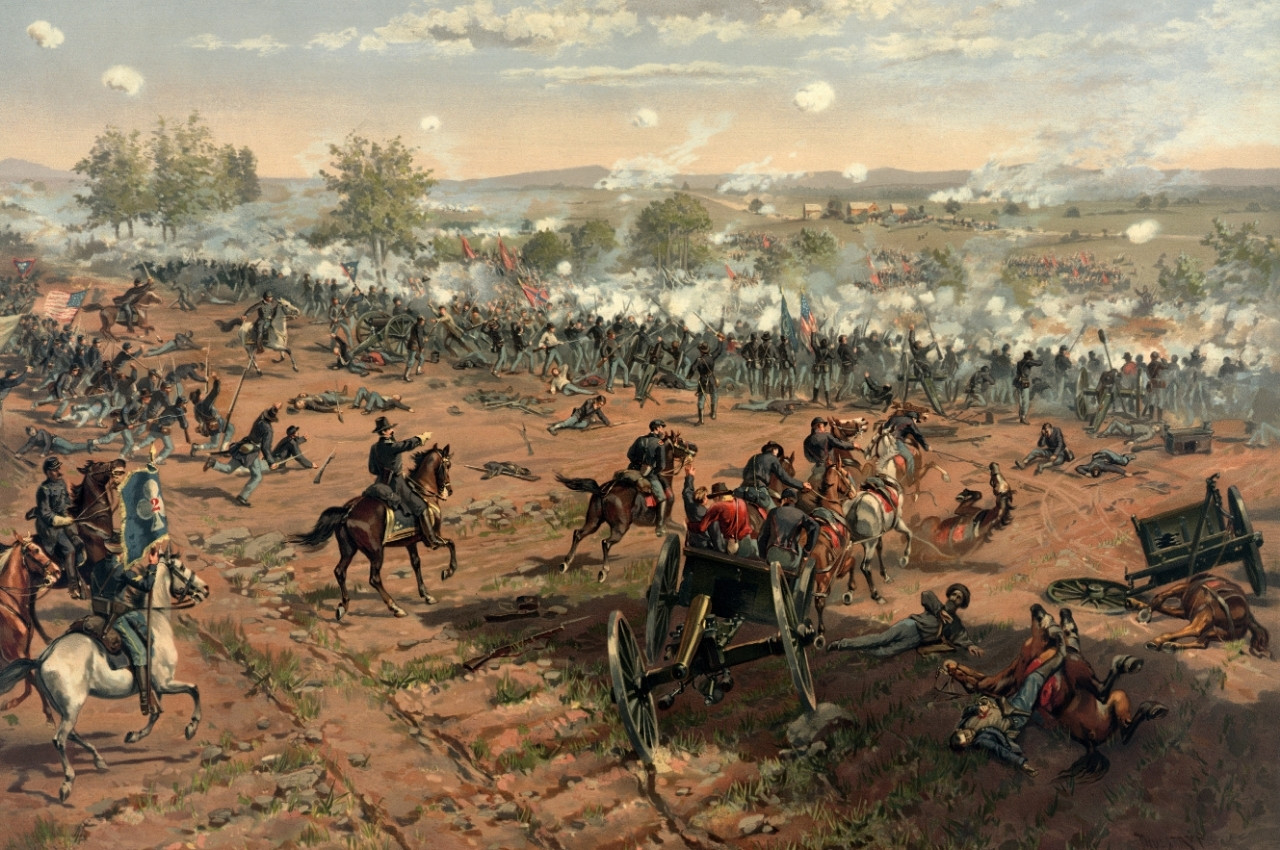
Gettysburg remains the most iconic battlefield in American memory. Fought in July 1863, it marked a turning point in the Civil War. According to the Gettysburg National Military Park, more than 50,000 soldiers were killed, wounded, or missing in just three days. The site’s monuments and preserved fields provide a solemn reminder of the nation’s struggle for unity and freedom. Visitors can walk Pickett’s Charge or stand where Lincoln delivered his Gettysburg Address, gaining a deeper understanding of the immense sacrifices that reshaped America’s moral and political landscape forever.
Antietam, Maryland
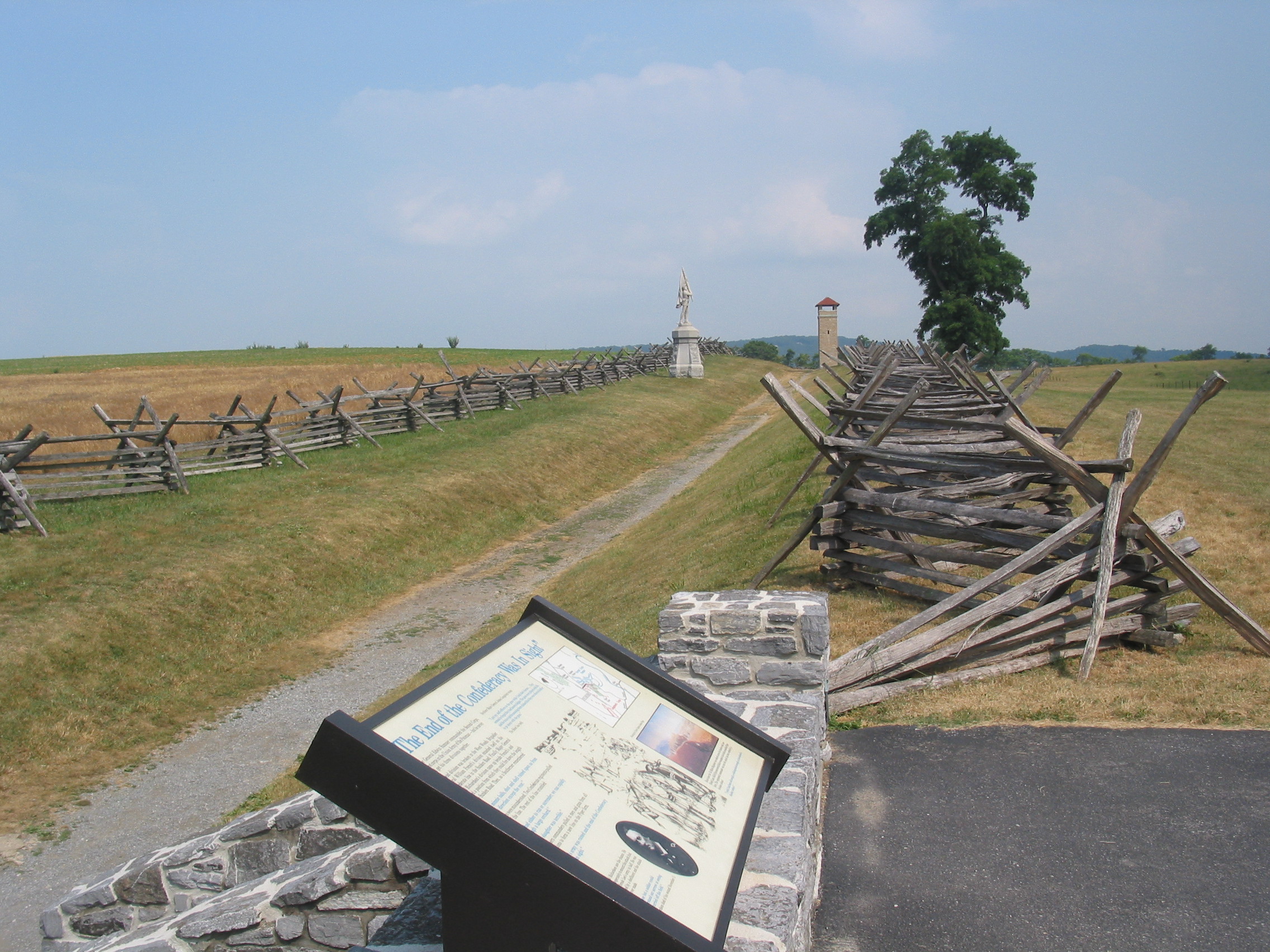
Known as the bloodiest single day in American history, the Battle of Antietam claimed over 23,000 casualties on September 17, 1862. According to Smithsonian Magazine, the Union’s narrow victory gave President Abraham Lincoln the confidence to issue the Emancipation Proclamation. Today, Antietam National Battlefield remains remarkably well-preserved, with quiet cornfields and restored bridges that transport visitors back to the chaos of war. The landscape invites contemplation of the immense suffering and courage that defined this pivotal moment, reminding travelers that freedom often emerges through unimaginable sacrifice and determination.
Little Bighorn, Montana

The Battle of the Little Bighorn, fought in June 1876, symbolizes the resistance of Native American nations against U.S. expansion. According to the National Park Service, the Lakota Sioux, Northern Cheyenne, and Arapaho defeated Lieutenant Colonel George Custer’s 7th Cavalry in one of the West’s most famous clashes. Visitors can explore the rolling hills where the confrontation unfolded and view memorials honoring both Native warriors and U.S. soldiers. The site’s dual narratives highlight the complexity of American history, acknowledging both indigenous resilience and the cost of conquest that defined the frontier era.
Yorktown, Virginia
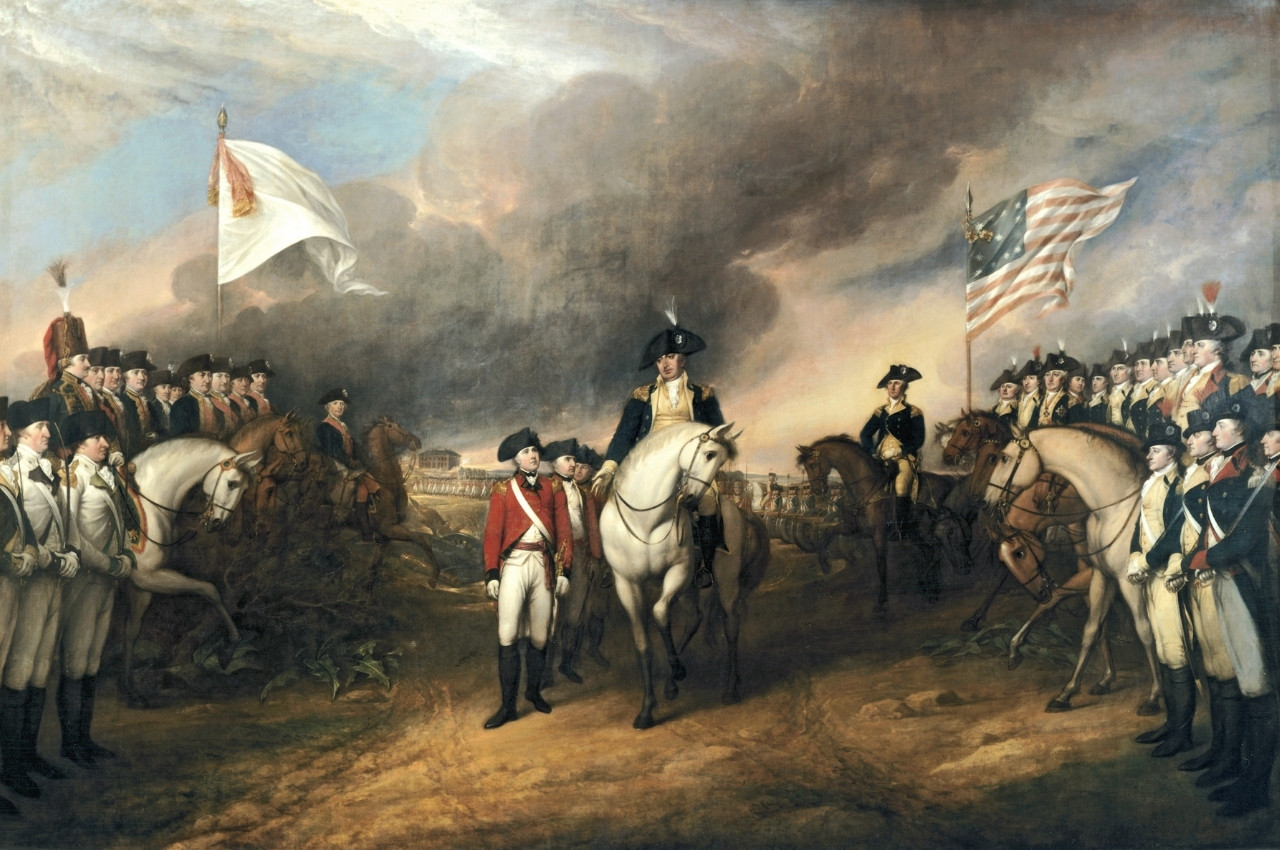
Yorktown represents the climax of the American Revolution, where George Washington’s forces secured victory over the British in 1781. According to the American Battlefield Trust, the French-American alliance proved decisive, leading to Britain’s surrender and the birth of a new nation. The Yorktown Battlefield, part of Colonial National Historical Park, offers walking trails, preserved earthworks, and reconstructed encampments. Standing where the United States won its independence connects travelers to the ideals of liberty and perseverance that shaped the nation’s founding and continue to inspire global movements for freedom.
Vicksburg, Mississippi
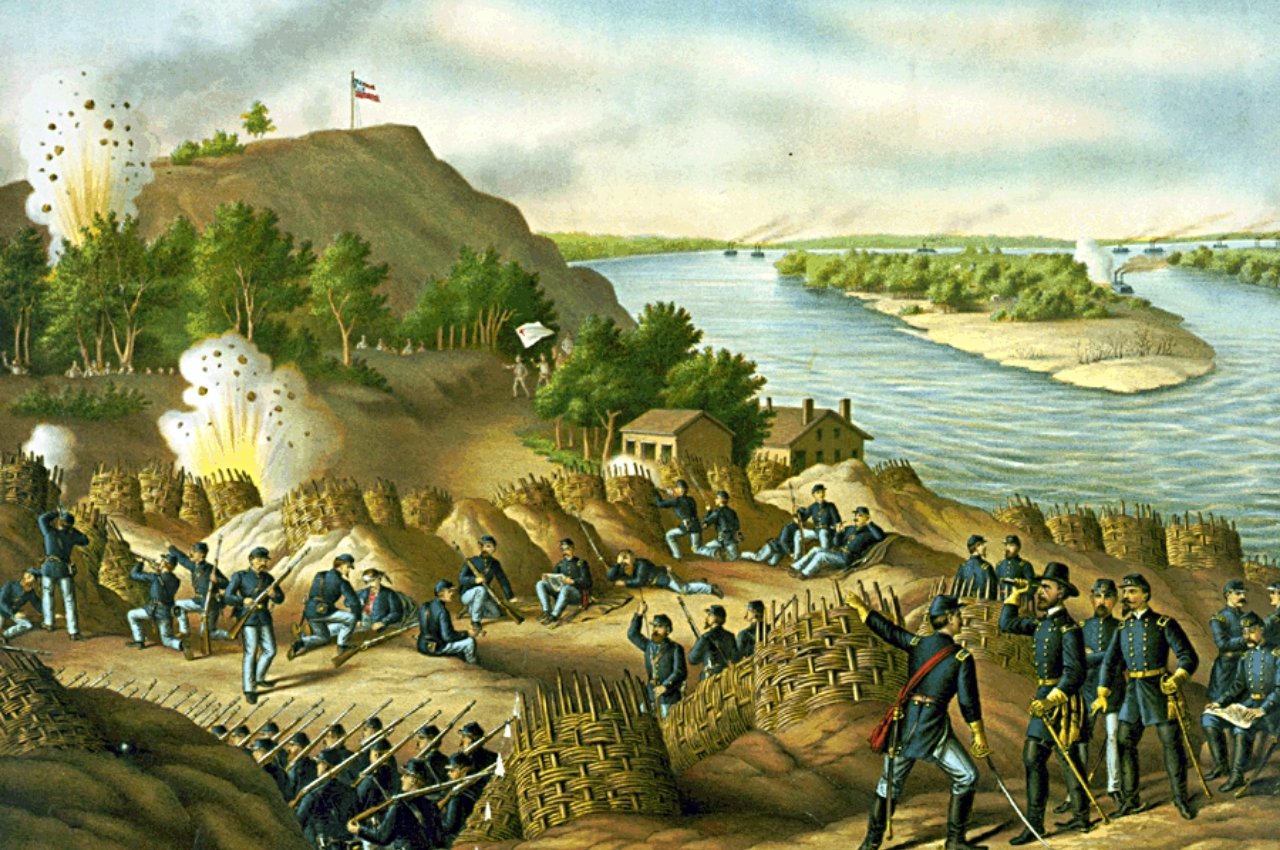
Vicksburg’s fall on July 4, 1863, gave the Union control of the Mississippi River, splitting the Confederacy in two. According to the National Archives, the siege lasted 47 days and marked one of the Civil War’s decisive victories. The Vicksburg National Military Park preserves over 1,300 monuments and reconstructed trenches that reveal the scale of the campaign. Visitors can walk the same paths soldiers once marched, gaining insight into the determination and endurance required to reshape the nation. Vicksburg stands as a powerful symbol of strategy, resilience, and ultimate triumph.
Saratoga, New York
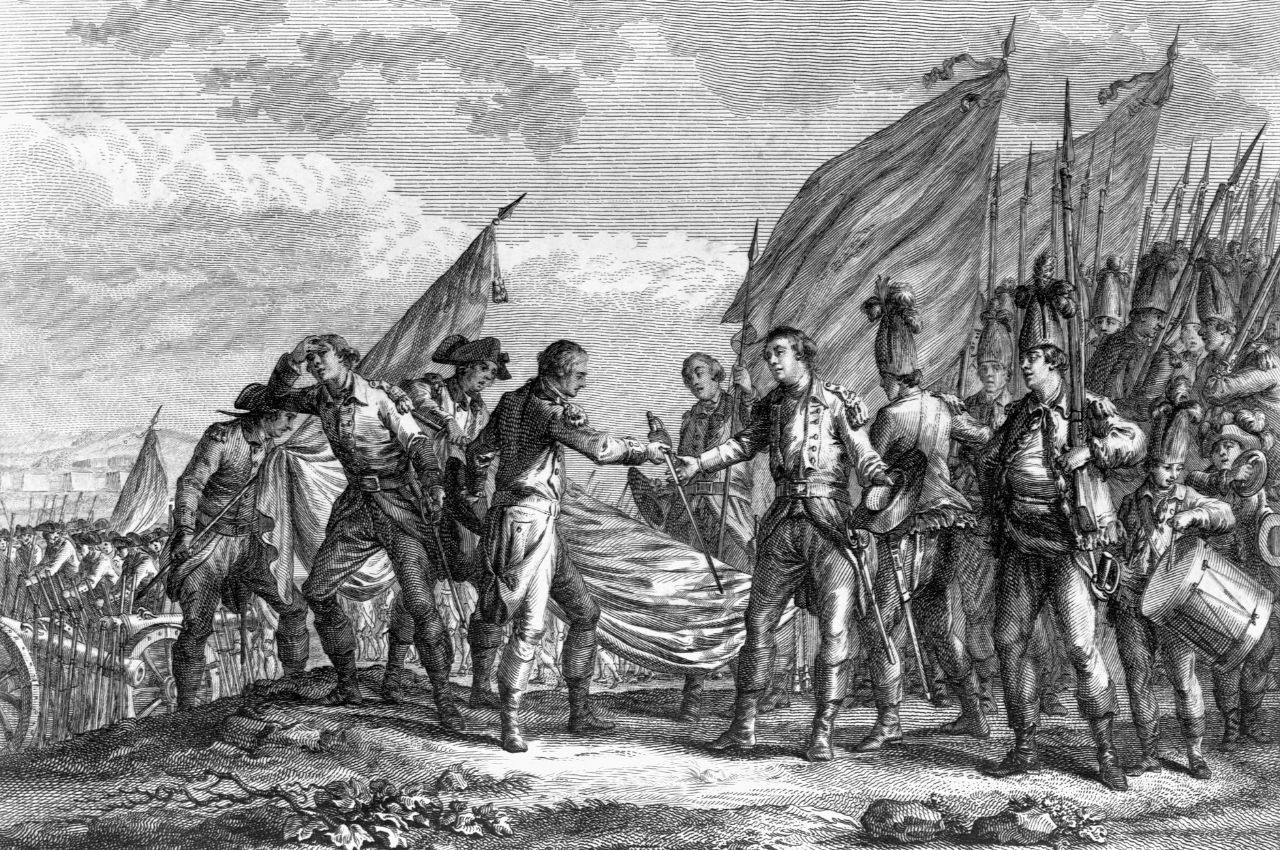
The Battles of Saratoga in 1777 are often called the turning point of the American Revolution. According to History.com, the American victory convinced France to join the war as an ally, changing the conflict’s trajectory. Saratoga National Historical Park preserves the battlefield’s wooded terrain and monuments honoring key figures like Benedict Arnold and Horatio Gates. Visitors can trace the paths of Revolutionary soldiers and reflect on the unlikely success that helped forge America’s independence. Saratoga’s preserved beauty hides the fierce struggle that secured liberty and reshaped world history.
Shiloh, Tennessee
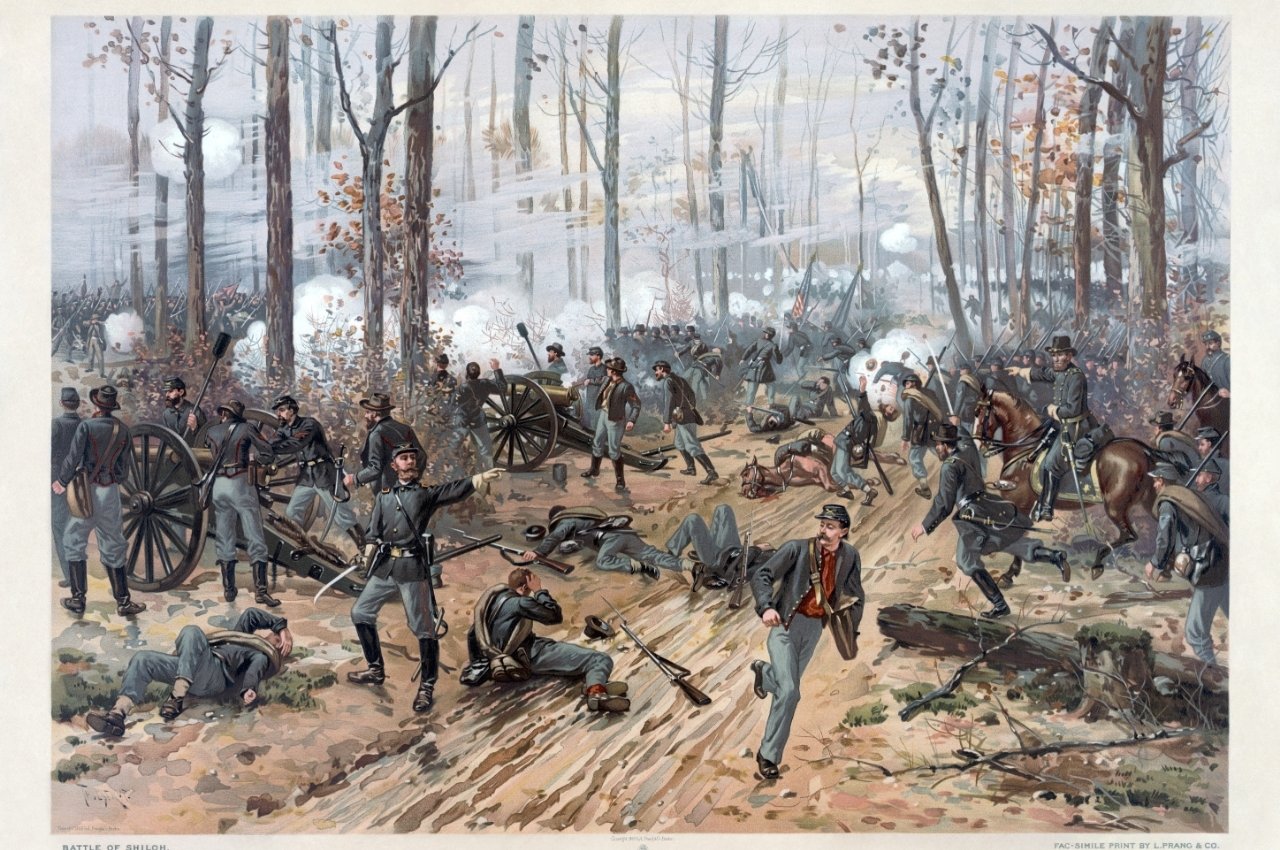
The Battle of Shiloh, fought in April 1862, shocked the nation with its unprecedented scale and bloodshed. According to the Library of Congress, more than 23,000 men were killed or wounded over two days of brutal combat. Today, Shiloh National Military Park features historic cabins, cannons, and trails that preserve this early Civil War battleground. The site’s serenity belies its violent past, offering visitors a chance to reflect on the human cost of war. Shiloh’s legacy endures as a lesson in both sacrifice and national perseverance through adversity.