
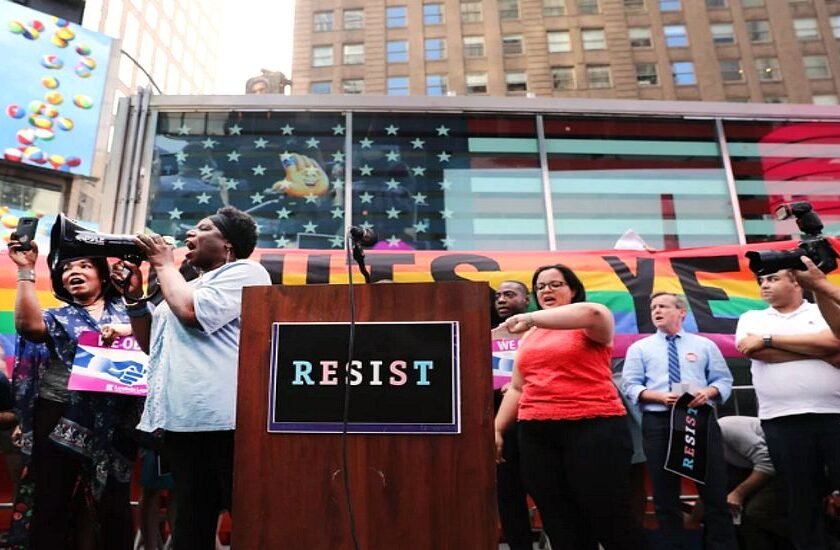

The Trump administration faced scrutiny for its policies affecting LGBTQ+ federal employees, marking a significant shift from prior protections. Under the Obama administration, various initiatives sought to safeguard LGBTQ+ rights in the workplace, which were scaled back under Trump.
This controversial period highlighted changes in federal guidelines and the administration’s legal interpretations concerning anti-discrimination laws. Advocacy groups often clashed with government proposals, arguing these moves undermined equality.
Key changes included attempts to redefine certain protections and adjustments in how discrimination laws were enforced, leading to widespread debate and legal challenges.
Read: Andrew Tate and Tristan Tate Charged With Rape, Trafficking in the UK
LGBTQ Discrimination Overview
Discrimination against LGBTQ+ individuals in the workplace has long been a significant issue, with federal employees being particularly vulnerable under certain administrations. Reports indicated that around 6% of the federal workforce identified as LGBTQ+.
The Trump administration’s stance often reversed previous inclusivity trends. This included opposing extensions of discrimination protections under Title VII of the Civil Rights Act, specifically related to sexual orientation and gender identity.
Advocacy organizations monitored these shifts closely, noting reductions in workforce diversity initiatives and a lack of proactive support for LGBTQ+ concerns compared to earlier years.
Also Read: MMA Fighter Conor McGregor Loses Appeal, Ordered to Pay Damages in Sexual Assault Case
Impact on Workplace Protections
The Trump administration’s policies had a direct impact on workplace protections for LGBTQ+ federal employees. Several executive orders and policy decisions aimed to alter the scope of legal protections.
A prominent incident involved guidance revoking protections that had allowed LGBTQ+ individuals to report discrimination more effectively. This resulted in heightened uncertainty and fear among employees about the security of their positions.
Efforts to enforce broad discrimination policies were softened, impacting minority groups’ ability to seek redressal and creating challenges in ensuring equitable treatment across federal agencies.
Also Read: Trump Shifts Tone, Commits to Feeding Gaza’s Starving Population
Federal Policy Rollbacks Explained
The rollback of federal policies under the Trump administration sought to redefine how discrimination was addressed across federal workplaces. Key changes included revising guidelines that previously protected LGBTQ+ rights.
These rollbacks focused on the reinterpretation of Title VII and the removal of specific directives supporting LGBTQ+ inclusivity. Additionally, policies that once provided guidance on the fair treatment of transgender employees were rescinded.
Such policy shifts often drew criticism for reducing the comprehensive nature of existing protections, leading to multiple legal challenges from civil rights organizations aiming to restore prior safeguards.
Also Read: Baptist Leaders Urge Trump to Ban Abortion Drug
Challenges Facing Trans Rights
Transgender employees faced particular challenges during the Trump administration, with several policy decisions directly impacting their rights. One significant alteration was the revocation of federal guidelines that supported transgender individuals in using facilities matching their gender identity.
These changes compounded everyday struggles for many, as several reports highlighted increased instances of workplace discrimination cases filed by transgender employees.
Despite setbacks, advocacy groups continued to push for inclusion and equality, working with allies to navigate legal landscapes and rallying public support for transgender rights amidst a challenging political climate.
Also Read: LA Mayor Karen Bass Bans Duplexes in Palisades Burn Zone with Governor’s Backing
Executive Actions Under Scrutiny
The Trump administration faced intense scrutiny over policies perceived as discriminatory toward LGBTQ+ federal employees. Prominent executive orders and policy changes initiated a rollback of previously granted protections, raising significant concerns.
In 2017, a memo from the Department of Justice redefined Title VII protections, excluding discrimination based on gender identity or sexual orientation. This marked a shift from the previous administration’s inclusive interpretation, leaving LGBTQ+ employees vulnerable.
The Department of Health and Human Services eliminated provisions mandating equal treatment for LGBTQ+ employees, further exacerbating fears of systemic bias. This move significantly impacted agency practices and left employees seeking legal recourse.
The administration’s stance sparked protests and legal challenges from civil rights groups. These challenges spotlighted the tension between federal agency directives and civil service equality goals.
Overall, these actions were viewed by many as a step backward, drawing criticism from advocacy organizations aiming to uphold federal employee rights.
Also Read: Trump Slaps 40% Tariffs on Transshipped Goods in Major Trade Shake-Up
Civil Service Bias and Its Effects
Civil service during the Trump administration faced allegations of bias, impacting morale and operational efficiency among LGBTQ+ employees. Reports indicated a chilling environment within federal workplaces.
A survey conducted in 2018 highlighted that a significant percentage of LGBTQ+ federal workers faced discrimination or witnessed bias incidents. This environment affected job satisfaction and retention rates, contributing to a rise in turnover.
Specific departments witnessed a notable decrease in diversity initiatives, with LGBTQ+ employee resource groups dismantled or defunded. This undermined internal support networks critical for employee well-being.
Legal experts pointed out that inconsistencies in policy enforcement increased over this period, leading to uneven protection standards. Employees experienced variance in rights based on location and departmental leadership.
To address these issues, advocacy groups pushed for statutory protections to safeguard against executive-level policy shifts, emphasizing the need for consistent, nondiscriminatory practices across all federal agencies.
Next Up:
- White House Unveils Plans for $200M Ballroom, Fulfilling Trump’s Long-Standing Wish
- California Immigrant Renters Face Eviction Fears Amid Trump’s Deportation Crackdown
- New Zoning Reform to Bring Thousands of Homes to Detroit’s Vacant Lots
- Trump Threatens Trade Deal with Canada Over Palestine Recognition