
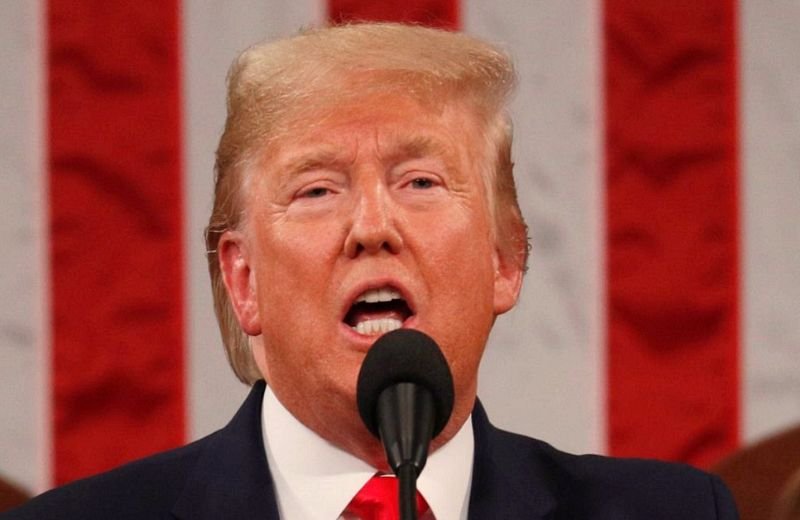
President Donald Trump’s response to the suspension of Jimmy Kimmel’s late-night show has sparked outrage, with the president suggesting that TV networks should not be allowed to criticize him. His remarks dismissing the issue of free speech and framing Kimmel’s firing as a result of “lack of talent” have raised alarm among free speech advocates and media critics.
Trump Dismisses Free Speech Concerns
During a press conference with UK Prime Minister Keir Starmer, Trump downplayed the controversy surrounding Kimmel’s suspension, claiming the comedian was “fired for lack of talent” after his comments about a tragedy involving Charlie Kirk. Trump went further, suggesting that Kimmel’s show was taken off the air because of political bias, particularly after Kimmel challenged the MAGA narrative surrounding the killing of Kirk. “You can call that free speech or not,” Trump remarked, dismissing concerns about the suppression of dissenting voices.
Kimmel’s Suspension and Political Pressure
Kimmel’s suspension followed a monologue in which he criticized the MAGA movement’s reaction to the killing of Charlie Kirk. The controversy intensified when Nextstar Communications, which owns several ABC affiliates, condemned Kimmel’s comments and announced it would stop airing the show. Hours later, FCC Chairman Brendan Carr joined the fray, condemning Kimmel’s remarks as “truly sick” and warning of potential action against Disney and ABC. Critics have pointed out that this intervention highlights how the Trump administration uses federal power to intimidate its opponents.
Trump’s Escalating Attacks on the Media
Trump further escalated his rhetoric when he spoke to reporters aboard Air Force One, claiming that TV networks, particularly late-night shows, are “not allowed” to criticize him. He argued that networks have only focused on attacking him and have lacked conservative voices. His comments reflect a broader campaign to silence critical voices in the media and leverage government influence to stifle dissent.
Writers Guild Condemns Censorship
The backlash against Kimmel’s suspension has been swift. The Writers Guild of America (WGA) condemned ABC for yielding to political pressure and warned that such actions undermine the very essence of free speech. The WGA issued a strong statement, declaring, “If free speech applied only to ideas we like, we needn’t have bothered to write it into the Constitution.” The union expressed its solidarity with Kimmel and his writers, emphasizing the importance of protecting dissenting voices, even when they challenge the powers in control.
Unions Decry ‘State Censorship’
The American Federation of Musicians, representing the musicians who work on Jimmy Kimmel Live!, also condemned the suspension as “state censorship.” Tino Gagliardi, the president of the union, pointed out that Trump’s FCC had targeted speech it disagreed with, leading to extreme reprisals from ABC. He argued that this constitutes censorship happening “right here and right now” in the United States, not in some far-off country.
Growing Concerns
The controversy surrounding Kimmel’s suspension has raised broader concerns about the erosion of free speech and the influence of government and corporate interests on the media. Critics warn that this marks a dangerous precedent in which government officials can intimidate and silence those who challenge their political agenda. As the tension between the Trump administration and the media continues to escalate, the need to protect free speech becomes more urgent than ever.