
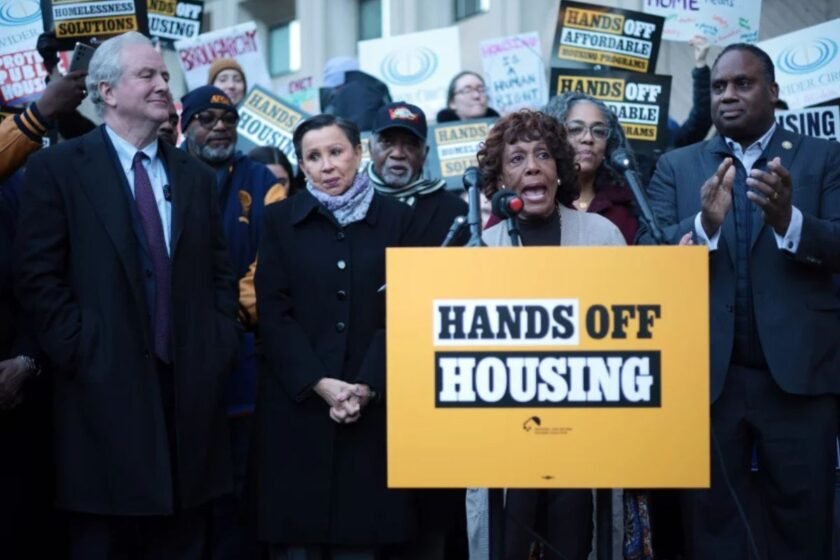

The Trump administration’s proposal to impose time limits on housing assistance poses significant changes for low-income families. The plan would affect millions who depend on the Housing and Urban Development (HUD) programs, potentially reducing long-term access to affordable housing.
This proposal marks a shift from traditional policies that prioritize extended support for financially vulnerable households. Historically, HUD has provided assistance without strict time constraints, allowing families the time needed to achieve stability.
Critics argue that these changes could exacerbate housing insecurity amidst already rising costs and limited affordable housing availability. With stakes so high, understanding the potential impacts is crucial for both current beneficiaries and policymakers.
Read : “Rage Against the Regime” Protests Planned as Trump Faces Growing Unrest
HUD Rental Time Limits Explained
HUD’s proposal to implement rental time limits aims to cap the duration individuals can receive assistance. This initiative would reshape the landscape for federally funded housing programs.
The core idea is to encourage self-sufficiency by reducing long-term dependency on government support. Under current policies, there are no fixed time limits for most Section 8 beneficiaries, allowing flexibility based on individual circumstances.
Critics warn that the proposed time limits might not account for varying economic situations across regions, potentially forcing families out of affordable housing before they achieve financial independence. The rigid application of such time constraints raises concerns about increased homelessness and instability.
Also Read : Trump’s Trade War Is Driving Africa Straight Into China’s Arms
Impact on Section 8 Benefits
Section 8 benefits have been a staple for many low-income families, providing critical access to affordable housing. The proposed time limits threaten to disrupt this vital support system.
With over 2 million households relying on Housing Choice Vouchers, time constraints could lead to widespread challenges. Affected families might face accelerated transitions to pricier, private market rentals without sufficient preparation or financial means.
The proposal also risks overwhelming local support services that assist families transitioning out of Section 8 housing, creating a strain on resources aimed at combating poverty. Overall, the imposition of time limits could complicate efforts to ensure adequate housing stability nationwide.
Also Read : Feminism or Fetish? Sabrina Carpenter’s New Album Sparks Debate Over Sexualization
The Time-Limit Proposal Overview
The Trump administration’s proposal introduces a three-year limit on housing assistance for eligible families, with possible extensions based on specific criteria.
The plan is designed to prompt quicker transitions to financial independence and reduce government expenditures. However, specifics on how extensions will be granted remain vague, raising concerns about equitable application across diverse communities.
Key factors driving this proposal include:
- Budgetary Considerations: Aimed at cutting costs for federal housing programs.
- Policy Shift: Moves towards encouraging rapid self-sufficiency.
- Public Opinion: Response to criticisms of indefinite government support.
- Administrative Efficiency: Streamlining the allocation process for HUD resources.
This overview highlights both the potential benefits and significant criticisms surrounding the proposal’s practicality and fairness.
Also Read : Colorado Enacts New Laws to Help Domestic Violence Survivors Stay Housed
Risks for Working Families
Working families stand to face unique risks under the proposed time limits, with potential adverse effects on financial stability and housing security.
Time constraints might disproportionately impact those in low-wage jobs or unstable employment, exacerbating existing economic vulnerabilities. Limited access to affordable housing options could lead to increased financial stress and housing instability.
Additionally, the pressures of meeting time-limit conditions might drive families to prioritize short-term employment over sustainable career growth, potentially hindering long-term economic progress. For many working families, the fear of eventual displacement from affordable housing could also affect their mental health and well-being, compounding the challenges of juggling work and family responsibilities.
Also Read : Kansas Woman to Pay $21,000 to Landlord in Late Fees
NYU Study Insights
A recent NYU study has provided critical insights into the potential impact of the proposed HUD time limits on housing assistance. According to the study, time limits could lead to increased housing instability for vulnerable populations, specifically affecting low-income families who rely on these subsidies to maintain a stable living situation.
The study highlights the demographics most at risk, including single-parent households and the elderly. With nearly 5 million households currently depending on federal rental assistance, these changes could exacerbate existing disparities in housing access. Researchers emphasize that time limits may force families into substandard housing conditions or homelessness.
Key findings from the study include:
- A potential increase in homelessness by 30% in affected regions.
- 65% of affected families could face severe housing instability.
- Inequality in housing access could widen, with minority communities being disproportionately impacted.
The NYU study argues that rather than incentivizing self-sufficiency, time limits may create additional barriers, pushing vulnerable families further into poverty. The data underscores the need for policy makers to carefully consider the broader socio-economic implications before implementing such measures.
Also Read : FBI Shielded Trump’s Identity in Epstein Records Despite Public Release Push
Increased Eviction Risks
The proposed HUD time limits could significantly escalate eviction risks across the United States, where eviction rates are already a critical issue. With the introduction of these limits, tenants may find themselves on the precipice of financial instability, lacking the resources to make timely housing payments.
A 2022 report from the Eviction Lab indicated that around 2.3 million eviction filings occur annually. The enactment of strict time restrictions on benefits could swell these numbers, resulting in prolonged housing insecurity. Key urban areas, already grappling with high eviction rates, may face the most pronounced effects.
Industry experts express concern that:
- The eviction rate could increase by 20% in major metropolitan areas.
- Families losing permanent housing may struggle to re-enter the stable housing market.
- Local economies could suffer from increased homelessness, reducing economic stability.
Critics of the proposal suggest that increasing housing supports and expanding affordable housing options could counteract potential negative outcomes. They emphasize that while the aim is to encourage financial independence, the risk of destabilizing familial housing should be paramount in policy considerations.
Next Up :
- Infant Deaths Rise in States That Banned Abortion, Study Reveals
- Trump Admin Accused of Discrimination Against LGBTQ+ Federal Employees
- Trump’s Immigration Policy Left Animal Shelters Surge After Pets are Abandoned
- Americans are Turning Against Trump’s Harsh Immigration Moves
- Renters Face Steeper Costs Despite ‘Relief’ Promises After Broker Fee Shift