
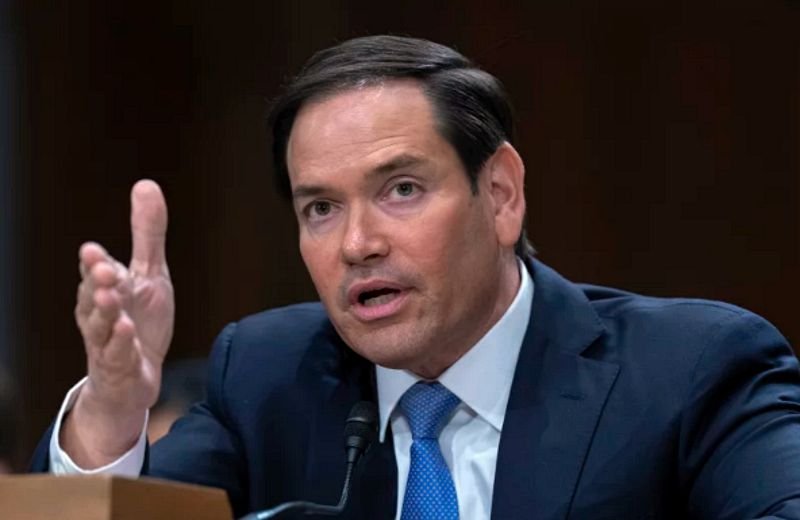
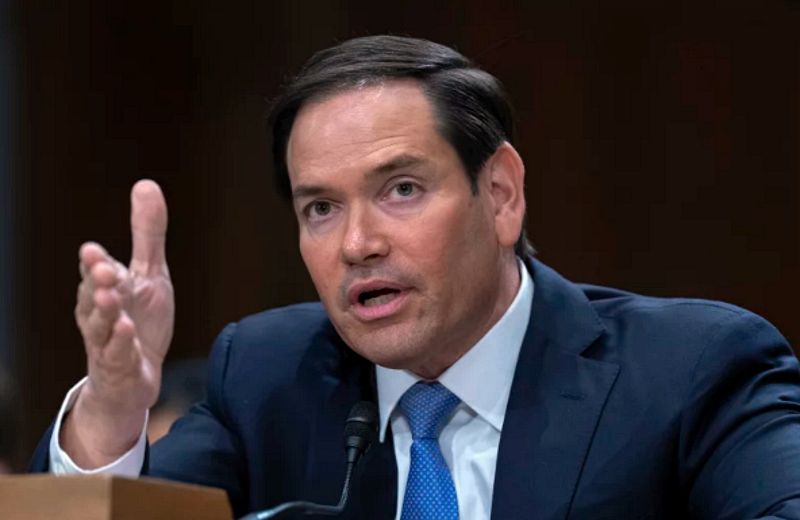
In a controversial move, the U.S. State Department has announced that it will deny visas to individuals found to be celebrating the recent shooting death of right-wing podcaster and activist Charlie Kirk. Secretary of State Marco Rubio confirmed this stance during a press conference on Tuesday, stating that the U.S. would not tolerate foreign nationals endorsing or celebrating political violence.
Rubio’s Strong Stance on Political Violence
Speaking from Israel, Secretary Rubio emphasized that the U.S. has no interest in allowing individuals into the country who show approval of the murder of someone like Kirk. “Why would we want to give a visa to someone who thinks it’s good that someone was murdered in the public square?” Rubio questioned, calling the decision a matter of common sense.
The U.S. government’s stance follows Deputy Secretary of State Christopher Landau’s directive to officials to “take appropriate action” in cases where applicants expressed support for or rationalized Kirk’s death.
No Clarity on Specific Visa Denials
While the policy has been made clear, the specifics regarding how many visas have been denied or revoked due to this new policy remain unclear. It is also not detailed how the State Department will enforce the measure or which instances will trigger visa denial.
Tough Approach on Speech
The announcement comes amidst broader rhetoric from the Trump administration about cracking down on political speech perceived as threatening or inciting violence. Attorney General Pam Bondi echoed this sentiment during a podcast appearance on Monday, warning that the administration would “go after” individuals involved in hate speech or who promote political violence.
Bondi’s remarks, however, have been met with backlash, particularly from civil rights organizations and some conservative commentators. Critics argue that such measures could infringe on free speech and disproportionately target political dissent.
Fallout in Government
The death of Kirk has sparked significant fallout in the public and private sectors. Several public officials have faced job loss or suspension after comments they made about Kirk’s death on social media, while businesses have faced boycotts or lost partnerships due to their association with individuals celebrating the event.
Vice President JD Vance also joined the chorus of condemnation, urging Americans to push back against those who celebrate Kirk’s death. His comments reflect the growing tension surrounding political violence and speech in the current climate.
Rising Political Tensions
The controversy surrounding Kirk’s death and the response from the Trump administration highlights the escalating political polarization in the U.S. The government’s approach to both speech and political violence is drawing sharp divides across the political spectrum, with many questioning the broader implications of these policies on civil liberties and free expression.