
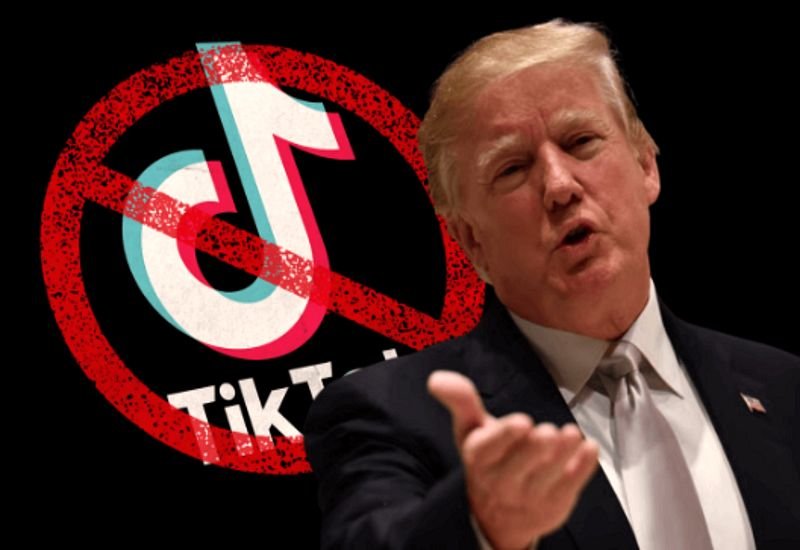

The United States and China have reached a framework agreement to transfer TikTok to US-controlled ownership, resolving years of tensions over national security and corporate control. Officials confirmed the deal after high-level trade talks in Madrid, though commercial terms remain private. The move marks a major breakthrough in the long-running dispute over the popular app’s Chinese parent company, ByteDance, and addresses Washington’s fears of data misuse and influence campaigns.
Read: Newsom Faces Big Decision as California Approves New Homeless Aid and Housing Bills
Framework Deal Confirmed
US Trade Representative Jamieson Greer and Treasury Secretary Scott Bessent confirmed that negotiators from Washington and Beijing agreed on a basic framework for the TikTok ownership transfer. Bessent said, “We have a framework for a TikTok deal, the commercial terms have been agreed upon,” but declined to provide specifics. Chinese negotiator Li Chenggang confirmed a consensus on cooperation, investment reduction, and trade promotion, cautioning against the ongoing suppression of Chinese companies.
Also read: Fox News Host Apologizes After Saying ‘Homeless People Should Be Executed’
Long-Running Dispute
The TikTok ownership issue dates back to 2020, when the Trump administration first ordered ByteDance to divest or face a US shutdown. Subsequent attempts by Microsoft, Walmart, and Oracle to acquire TikTok’s US arms fell through. Security concerns have consistently driven the controversy, with US officials citing potential data access, content manipulation, and influence campaigns as key risks.
Also read: Trump Says ‘Smart People Don’t Like Me’ in Viral Gala Clip, Critics Pounce
National Security Concerns
Washington’s concerns focus on the potential for Beijing to access sensitive American user data or influence public opinion through TikTok. Christopher Wray, former FBI director, warned that Chinese national security laws could compel ByteDance to hand over data. The Department of Justice revealed that TikTok collected sensitive information on US users, including data on gun control, abortion, and religion, raising alarms about privacy and cybersecurity vulnerabilities
Also read: ‘He is Too Shy to Kill’ Charlie Kirk Suspect’s Grandmother Rejects Murder Claims
Previous Bans and Delays
In April 2024, President Joe Biden signed legislation requiring ByteDance to sell TikTok or face a ban. Trump repeatedly extended the deadline and briefly reversed the app’s shutdown in January, allowing Apple and Google to restore TikTok to their app stores. These delays underscored the high stakes of the platform, which has over 135 million US users, including the White House, despite federal device restrictions.
Corporate Negotiations
Major US companies have long sought to acquire TikTok’s US operations. Microsoft’s negotiations were described by CEO Satya Nadella as “the strangest deal” he had ever worked on. Walmart and Oracle attempted a joint acquisition, proposing a TikTok Global entity, but the plan was shelved after a federal review of Chinese tech companies. Oracle remains TikTok’s US cloud provider, mitigating some security concerns.
Also read: Epstein Files Reveal 100 Private Emails With Prince Andrew Raising New Questions
Next Steps and Leadership Approval
Final deal details are pending a meeting between Trump and China’s President Xi Jinping. Bessent said discussions continue, with Trump hinting on Truth Social, “A deal was also reached on a ‘certain’ company that young people in our Country very much want to save. They will be very happy!” Greer confirmed the framework now awaits approval from both leaders, emphasizing that “We’re not going to be in the business of having repetitive extensions.”
Also read: Trump Vows Crackdown on ‘Left-Wing Groups’ After Charlie Kirk Killing
Implications for Users
The agreement promises to secure TikTok’s US operations under American oversight, addressing regulatory and security concerns while preserving access for millions of users. Officials describe the deal as a compromise that maintains user engagement and protects national security, potentially setting a precedent for future oversight of foreign-owned social media platforms.