
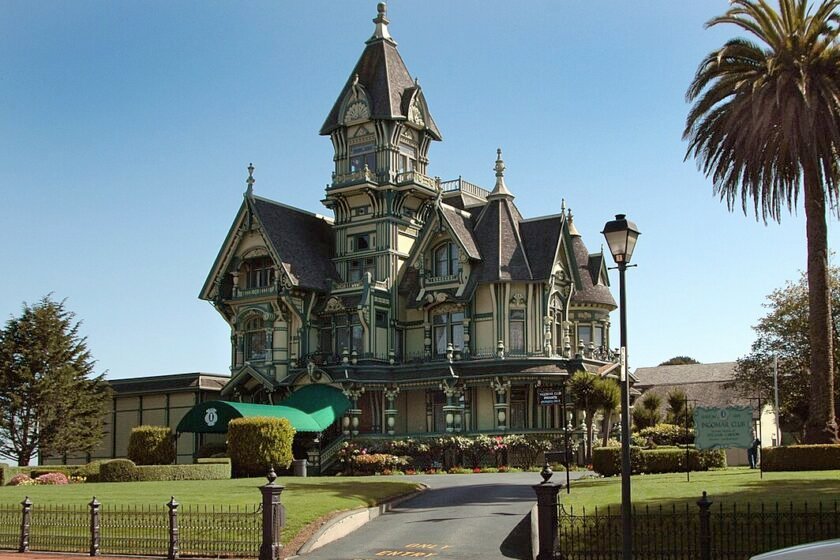
Victorian-era homes are some of the most visually distinctive and historically significant architectural styles in America. Built between the mid-19th century and the early 20th century, these homes reflect an era of industrial advancement, ornate craftsmanship, and evolving tastes.
Influenced by European designs, they often feature elaborate ornamentation, asymmetrical layouts, and a combination of different materials and colors. Their striking appearance and detailed interiors make them one of the most recognizable home styles from the past.
Key Features of Victorian-Era Homes

Architectural Complexity and Asymmetry
Unlike earlier homes that favored symmetry and simplicity, Victorian-era homes embraced asymmetrical designs. Floor plans were often irregular, with bay windows, projecting gables, and wraparound porches that created a dynamic and varied appearance. Towers and turrets were commonly added to give homes a castle-like or grandiose feel, emphasizing verticality and decorative excess. This design approach made each home unique, standing out with individualized elements rather than following a uniform template.
Decorative Woodwork and Ornamentation
Victorian homes are known for intricate woodwork that adorns both their interiors and exteriors. Carved brackets, ornate cornices, and spindlework were common embellishments that added depth and texture to the home’s design. Gingerbread trim, seen along rooflines and porches, created a lace-like effect that further emphasized the decorative nature of these homes. Inside, detailed moldings, carved banisters, and elaborate fireplace mantels showcased the craftsmanship that defined the Victorian period.
Multi-Material Facades and Colorful Exteriors
A hallmark of Victorian homes is their use of multiple building materials, often combining brick, stone, wood, and stucco in a single facade. This mix created contrast and visual interest, making homes appear more complex and artistic. Shingles in varied patterns were frequently used on upper stories, while decorative masonry or half-timbering could be found on lower levels.
In addition to their mixed materials, Victorian homes embraced bold and varied color schemes. While earlier homes were painted in subdued tones, advancements in paint technology allowed for vibrant hues, including deep greens, blues, reds, and golds. Homeowners often selected multiple colors to highlight architectural details, giving these homes a lively and dramatic presence.
Distinctive Roof Designs and Towers
Victorian homes featured steeply pitched roofs, sometimes with patterned shingles or decorative iron cresting along the ridge. Dormer windows were commonly added to upper stories, enhancing both natural light and the home’s verticality. Many homes also included conical towers or octagonal turrets, which became defining features of the Queen Anne style. These elements gave Victorian homes a whimsical, fairytale-like quality that set them apart from earlier, more restrained architectural designs.
Expansive Wraparound Porches

One of the most inviting features of Victorian homes is their large porches, which often extended around multiple sides of the house. These porches served as both functional outdoor living spaces and architectural statements, frequently adorned with turned columns, decorative railings, and delicate trim. They were designed as gathering places, reinforcing the Victorian emphasis on social interaction and leisure.
Stained Glass and Decorative Windows
Windows in Victorian homes were often designed as works of art. Stained glass panels, leaded glass designs, and beveled glass inserts were used to add color and elegance to interiors. Many homes featured bay or oriel windows, allowing for additional natural light and creating cozy alcoves inside. Palladian windows, with their distinctive arched tops, were also a common element, adding to the grandeur of these homes.
Interior Details and Finishes
The interiors of Victorian homes were just as elaborate as their exteriors. High ceilings, intricate plasterwork, and richly patterned wallpapers created a sense of luxury and refinement. Parlors and sitting rooms were designed for formal gatherings, often featuring ornate chandeliers, marble fireplace surrounds, and decorative ceiling medallions. Built-in cabinetry and intricate wood paneling added to the overall sense of craftsmanship, making every detail of these homes feel intentional and artistic.
Influence of Different Victorian Styles

Victorian architecture is not a single style but rather a collection of different influences that evolved throughout the 19th century. Some of the most notable styles include:
- Queen Anne homes, which are known for their elaborate ornamentation, asymmetrical facades, turrets, and highly decorative trim.
- Gothic Revival homes, which feature pointed arches, steep gables, and dramatic, church-like designs.
- Italianate homes, which have low-pitched roofs, tall windows with decorative crowns, and ornate cornices.
- Second Empire homes, which are distinguished by their mansard roofs and grand, symmetrical proportions.
- Stick-style homes, which showcase exposed wood framing and intricate trusswork, giving them a more structured appearance.
Each of these styles brought unique variations to Victorian architecture, resulting in a diverse range of homes that remain some of the most admired in American history.
Final Thoughts
Victorian-era homes are defined by their complexity, ornamentation, and artistic craftsmanship. Their asymmetrical layouts, decorative trim, bold colors, and intricate interiors reflect an era that celebrated design innovation and architectural grandeur. While each home may differ in specific style, they all share a sense of creativity and historical richness that continues to captivate homeowners and architectural enthusiasts today.