

Visiting California right now feels familiar and different at the same time. You still see the landscapes, weather, and cultural pull that made the state famous, but the experience asks more awareness from you. Costs feel higher, rules feel clearer, and local attitudes feel more direct. You notice it when you book a hotel, when you drive through cities, and when you interact with residents who balance pride with fatigue. Tourism has rebounded strongly, according to data from Visit California and the California Travel and Tourism Commission, yet pressure on housing, infrastructure, and public services shows up in daily life. As a visitor, you feel welcomed, but you are also expected to respect boundaries, follow posted rules, and understand that many communities are stretched thin. California still delivers, but it expects you to meet it halfway.
1. Los Angeles
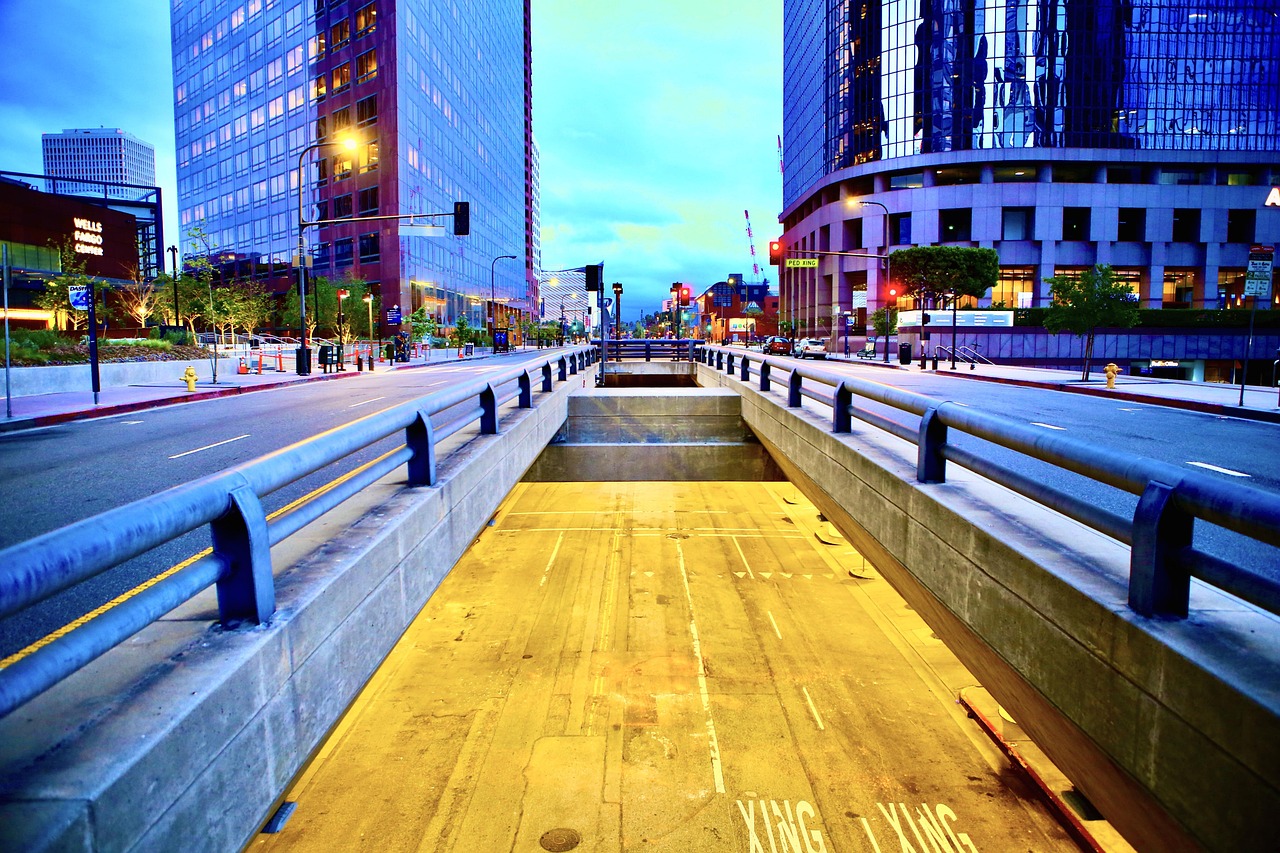
In Los Angeles, you feel the scale immediately. Distances are real, traffic shapes your day, and planning matters more than impulse. You see world class museums, beaches, and food scenes, but you also notice rising prices and stricter enforcement of parking, transit, and short term rental rules. The city has expanded public transit options and event infrastructure ahead of major global events, as reported by the Los Angeles Department of Transportation, yet driving remains central to how you move. You encounter visible homelessness alongside luxury retail, which can feel jarring if you are not prepared. Locals expect you to follow rules closely, especially in coastal zones and residential areas. What this really means is that Los Angeles rewards preparation. When you plan routes, reservations, and timing, the city opens up in a way that still feels uniquely electric.
2. San Francisco

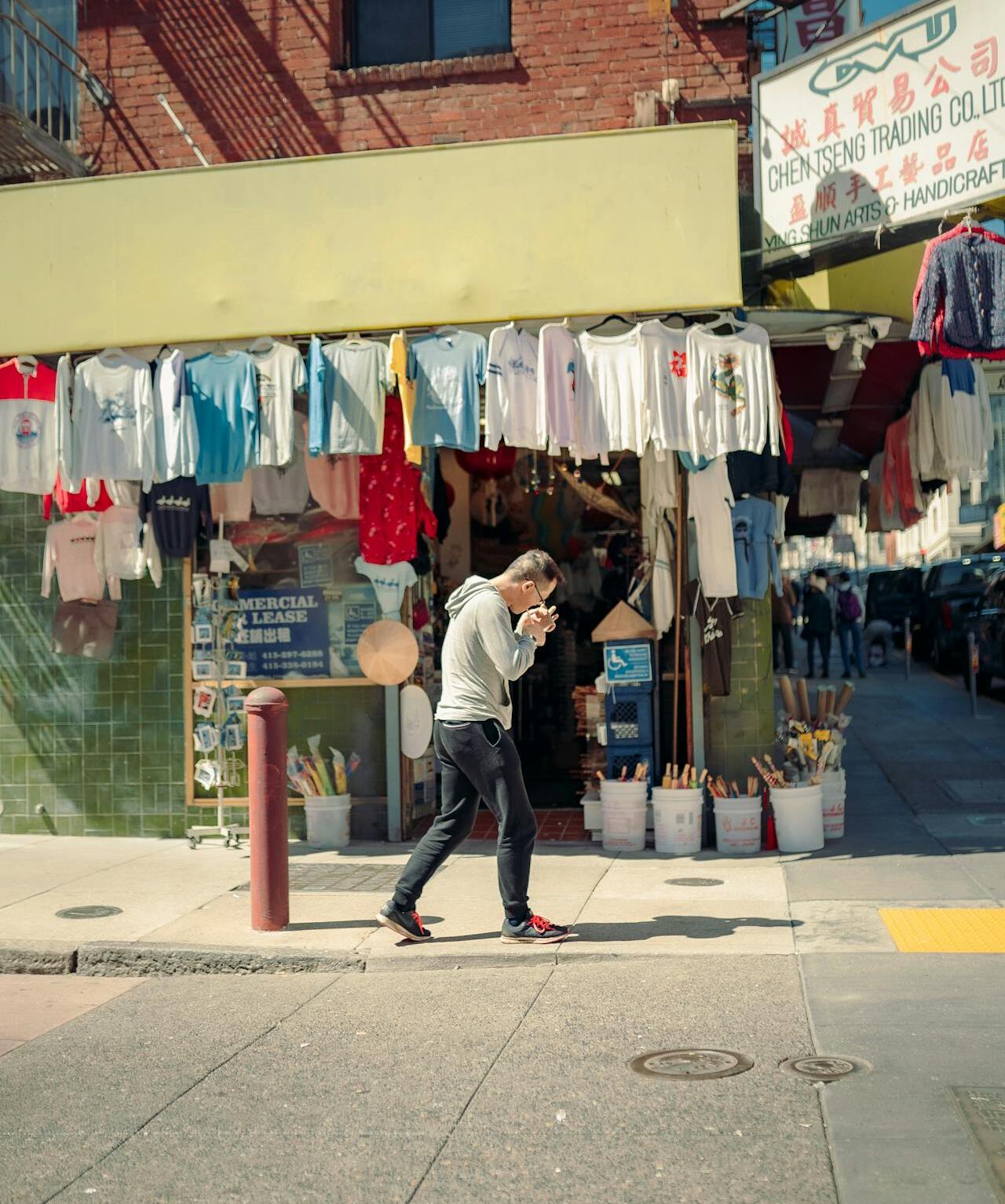
San Francisco feels more compact but more intense. You walk more, you notice details faster, and you sense the city’s ongoing reset. Downtown foot traffic has not fully returned to pre pandemic levels, according to the San Francisco Office of Economic and Workforce Development, yet neighborhoods remain active and proud. You experience strong public transit use, firm enforcement of fare rules, and clear expectations around cleanliness and public behavior. The tech influence is quieter, but the cost of living still shapes prices you pay as a visitor. You also feel a renewed focus on safety in tourist corridors, with visible policing and city programs aimed at restoring confidence. When you visit now, you feel a city that knows its challenges and is actively managing them, asking you to stay aware, respectful, and engaged rather than passive.
3. Beyond the Big Cities
Outside Los Angeles and San Francisco, California feels slower but more protective of itself. In coastal towns, national parks, and wine regions, you face reservation systems, entry limits, and strict environmental rules. Agencies like the National Park Service and California State Parks now manage crowd levels closely to protect fragile spaces. You feel this when you book timed entries, pay higher parking fees, or follow detailed trail guidance. Locals in smaller communities often rely on tourism, but they also expect you to respect water restrictions, fire rules, and noise limits. What this means for you is clarity. Expectations are posted, enforcement is real, and courtesy matters. When you follow the rules, you gain access to landscapes and experiences that still feel extraordinary, just more carefully guarded.
4. Coastal California
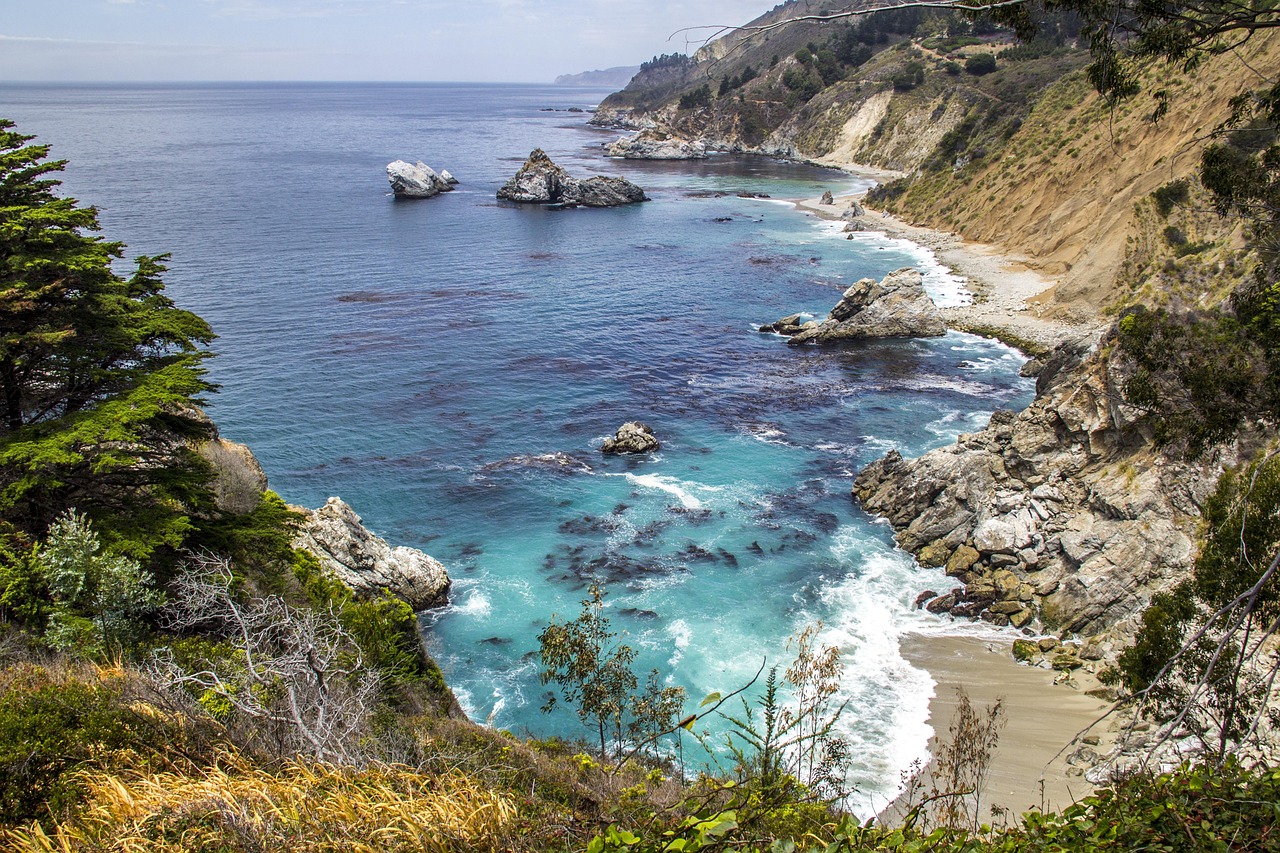
Along the California coast, visiting feels more regulated than it once did, but also more intentional. You still get dramatic views, cool breezes, and iconic beaches, yet access often comes with rules you must follow closely. Coastal commissions and local governments enforce limits on parking, overnight stays, and short term rentals, according to the California Coastal Commission. You notice permit signs, timed access points, and increased fines for violations. Locals expect you to respect tide pools, wildlife protections, and cliff safety warnings. What this means for you is simple. You can enjoy the coastline fully, but only if you plan ahead, follow posted guidance, and understand that preservation now comes before convenience.
5. California’s National Parks
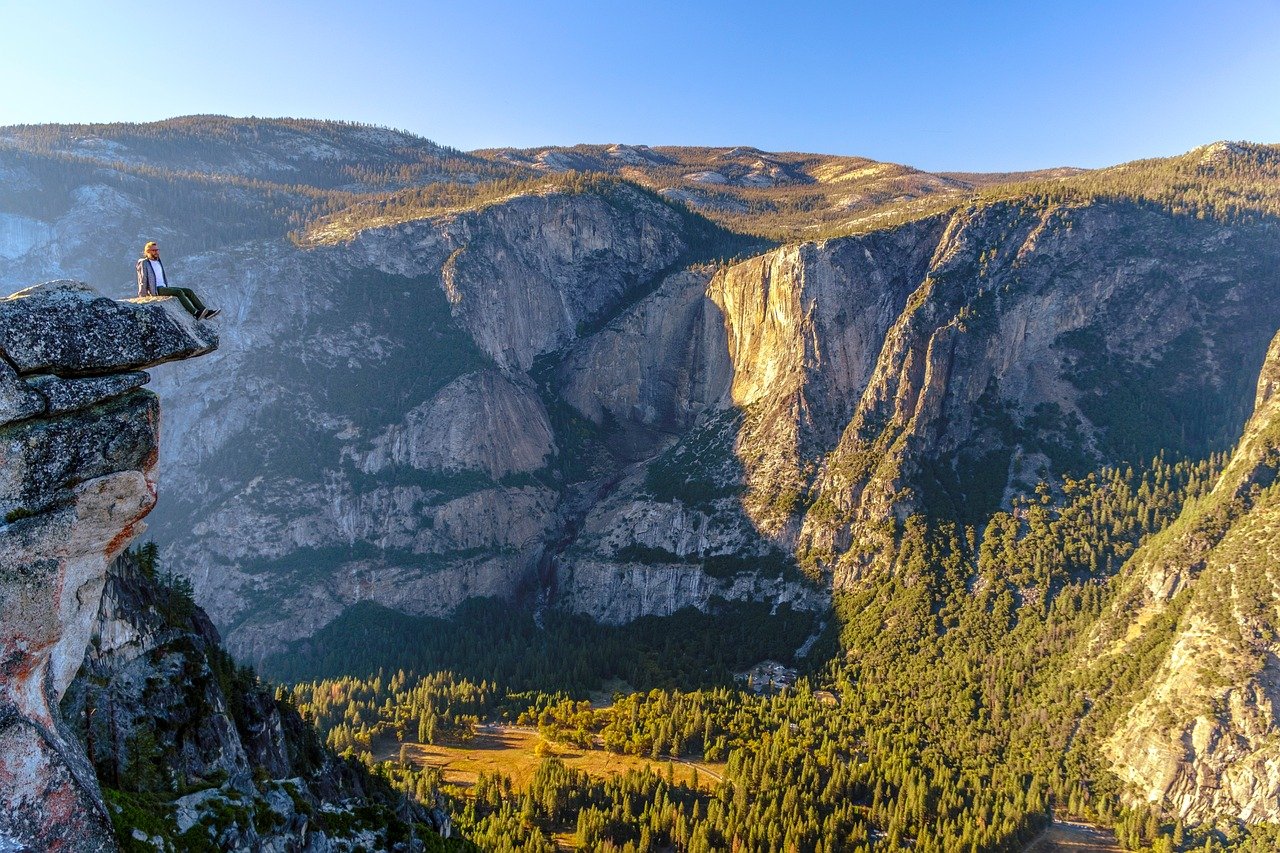
Visiting California’s national parks now feels structured in a way that surprises first time visitors. Places like Yosemite and Joshua Tree rely on reservation systems, peak hour controls, and strict fire regulations, as outlined by the National Park Service. You feel this before you arrive, when entry slots sell out and parking fills early. Rangers actively enforce trail rules, wildlife distance limits, and waste policies. You are expected to arrive prepared, informed, and self sufficient. The payoff is a calmer experience inside the parks, with less congestion and better protection of natural resources. When you follow the system, the parks feel more peaceful and more respectful of the landscapes you came to see.
6. Smaller Cities and Inland Areas
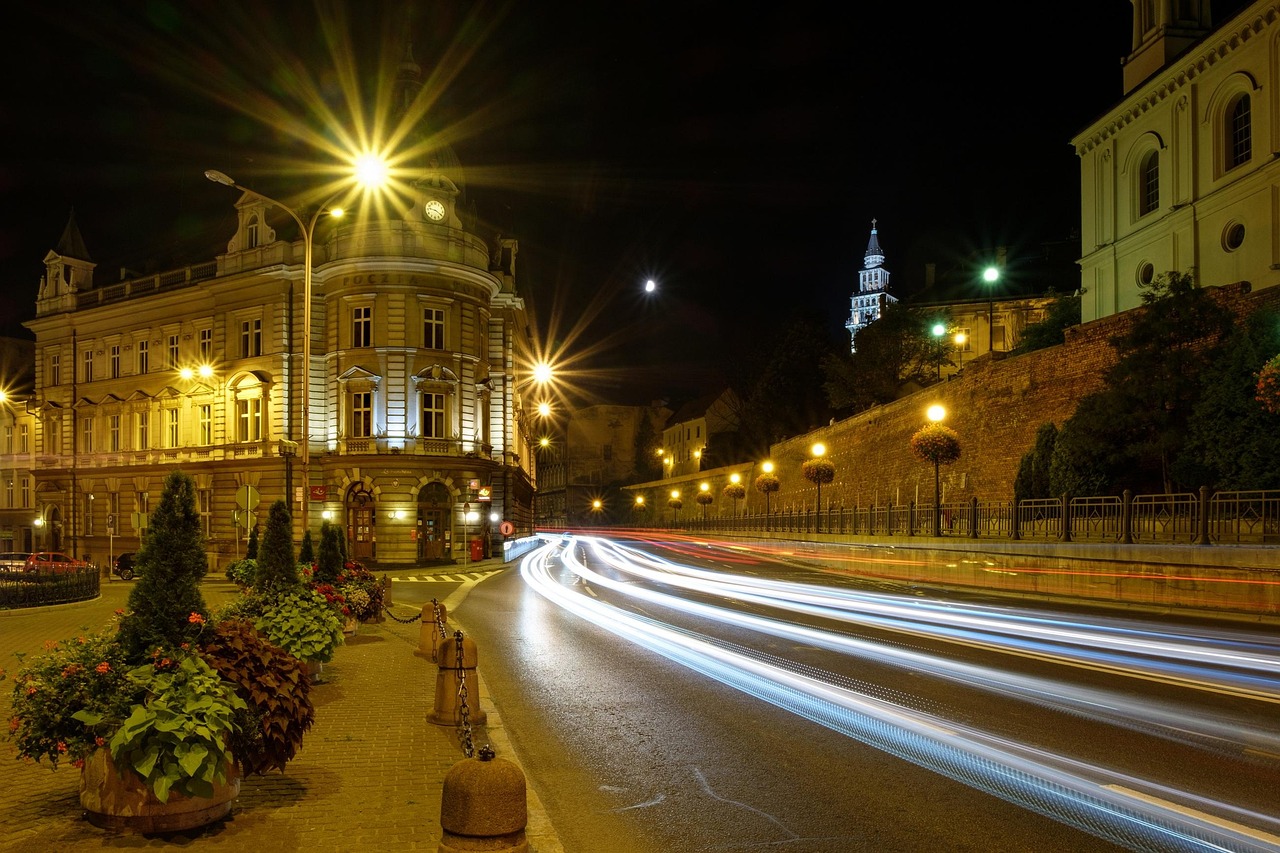
In California’s inland cities and smaller towns, you feel a different rhythm that rewards patience and curiosity. These areas have seen population growth as residents move away from coastal costs, according to the California Department of Finance. As a visitor, you notice fewer tourist services but stronger community presence. Local rules around water use, outdoor burning, and property access are taken seriously, especially during dry seasons. People are friendly but direct, and they expect you to respect private land and local norms. What this really means is that inland California offers authenticity, but it asks you to slow down, listen, and adapt to how people actually live there.
7. Costs, Rules, and Expectations
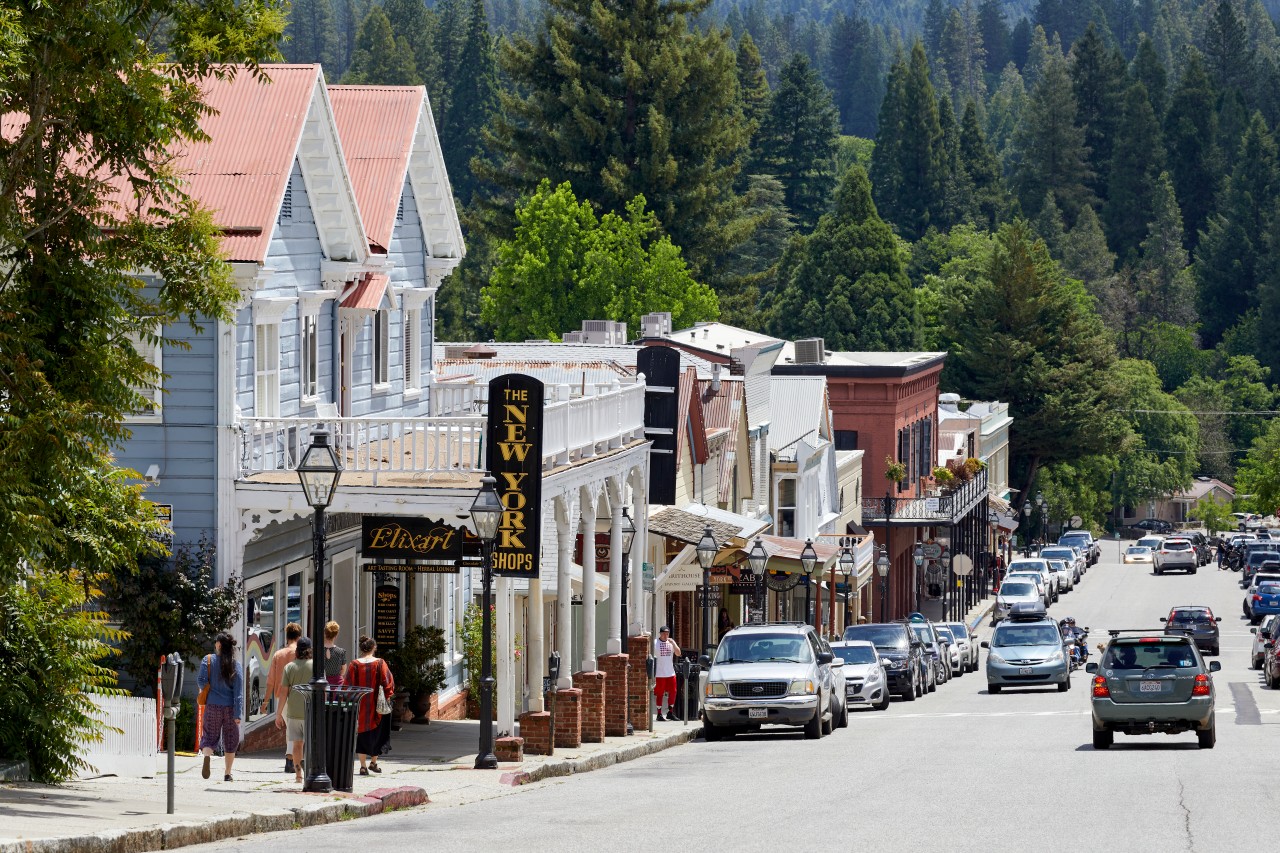
Across California, the biggest change you feel is how clearly expectations are enforced. Taxes, service fees, parking rates, and lodging costs are higher, reflecting statewide housing and infrastructure pressures reported by the Legislative Analyst’s Office. You see fewer gray areas when it comes to rules. Noise ordinances, transit fines, beach regulations, and park restrictions are posted and enforced without much flexibility. As a visitor, you are not singled out, but you are not given extra leeway either. What this means is that California now operates on clarity. If you follow the rules and budget realistically, your visit feels smooth, fair, and still deeply rewarding.