

Imagine a future where the fate of humanity is not left to chance, but mapped out by supercomputers running simulations of Earth’s most extreme scenarios. These machines predict a world shaped by searing heat, relentless volcanic eruptions, and the quiet but deadly decline of oxygen levels. Scientists are peering hundreds of millions of years into the future, revealing a triple threat that could redefine life as we know it.
The simulations paint a chilling yet fascinating picture: entire ecosystems pushed to their limits, complex life forms struggling to survive, and the very atmosphere of our planet transformed. By exploring these outcomes, researchers are uncovering not just the fragility of life but also the urgent need for foresight, innovation, and global responsibility to prepare for what may come.
The Triple Threat

Imagine a world where three unstoppable forces converge to challenge life as we know it. Supercomputers modeling Earth’s future have highlighted a “triple whammy” of dangers that could reshape the planet forever. First, solar radiation may intensify over time, increasing heat and atmospheric stress. Second, volcanic activity linked to future supercontinents could blanket the Earth in ash, altering climate and ecosystems. Third, oxygen levels may gradually decline, quietly suffocating complex life. These forces don’t act in isolation; they combine to create an unprecedented survival challenge.
Scientists warn that these simultaneous threats could trigger conditions unseen since Earth’s prehistoric mass extinctions. While solar flares and volcanic eruptions are natural, their cumulative effect on oxygen levels and biodiversity is staggering. Life’s resilience will be tested as habitats shrink, temperatures soar, and breathable air diminishes. Understanding this triple threat helps humanity consider both adaptation and prevention strategies on a rapidly changing planet.
Simulating the Apocalypse: Supercomputers at Work
Supercomputers are no longer just tools for weather forecasts or scientific research; they are now capable of simulating the distant fate of life on Earth. By crunching millions of data points, these machines predict how complex interactions between climate, geology, and biology could unfold over hundreds of millions of years. The collaboration between institutions like NASA and Toho University has pushed this technology to its limits, creating models that simulate entire planetary ecosystems and their potential collapse.
The simulations rely on advanced climate modeling techniques, factoring in carbon cycles, tectonic movements, and solar activity. These predictive models allow researchers to explore scenarios where small changes cascade into global crises. While no simulation can claim absolute certainty, supercomputers provide the clearest vision yet of how intertwined environmental forces could shape the ultimate fate of humanity and other complex species.
The Supercontinent Pangaea Ultima
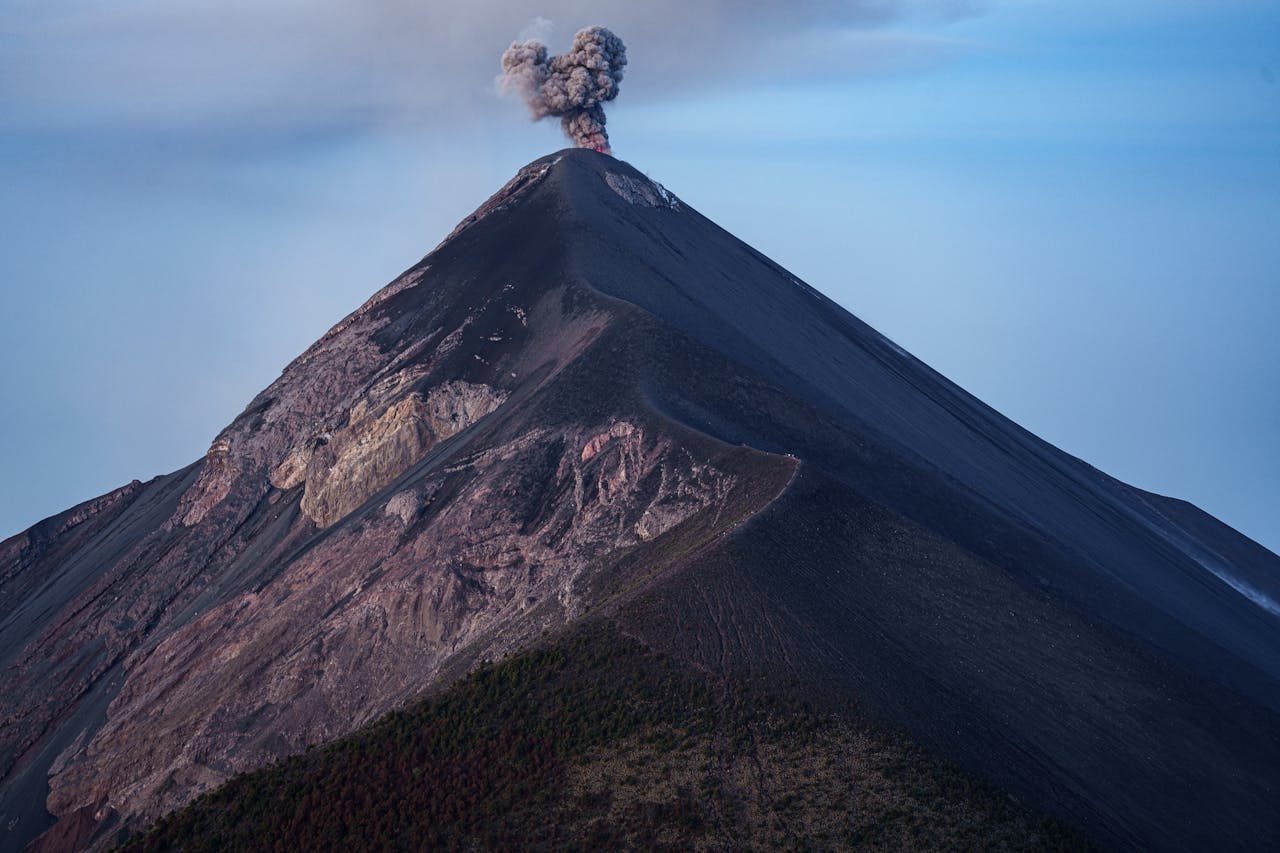
Looking 250 million years into the future, scientists anticipate the formation of a new supercontinent, often referred to as Pangaea Ultima. As tectonic plates converge, massive landmasses will emerge, altering ocean currents, wind patterns, and global climate. Heat and humidity in interior regions are expected to rise dramatically, creating inhospitable zones where survival will be difficult or impossible.
Volcanic activity will increase along continental boundaries, releasing gases and ash that further disrupt the atmosphere. The formation of Pangaea Ultima is not just a geological phenomenon; it is a catalyst for environmental extremes that may push Earth’s ecosystems to their limits. By understanding these geological processes, scientists can better anticipate long-term climate effects and the ripple effect on life across the planet.
Earth’s Breathless Future
Oxygen is life’s quiet backbone, and its gradual depletion could spell disaster long before other catastrophes arrive. Supercomputer models indicate that shifts in ocean chemistry, volcanic emissions, and plant evolution may reduce breathable air levels over millions of years. Lower oxygen concentrations will not just threaten humans but could also decimate large animals and other oxygen-dependent species.
The implications for complex life are stark. Ecosystems may collapse as predators, prey, and pollinators struggle to survive. Habitats could shrink, forcing species into high-risk survival zones. Humanity’s future may hinge on our ability to anticipate and counteract these shifts, whether through technological interventions, habitat management, or migration to more sustainable environments.
The First Mass Extinction Since the Dinosaurs
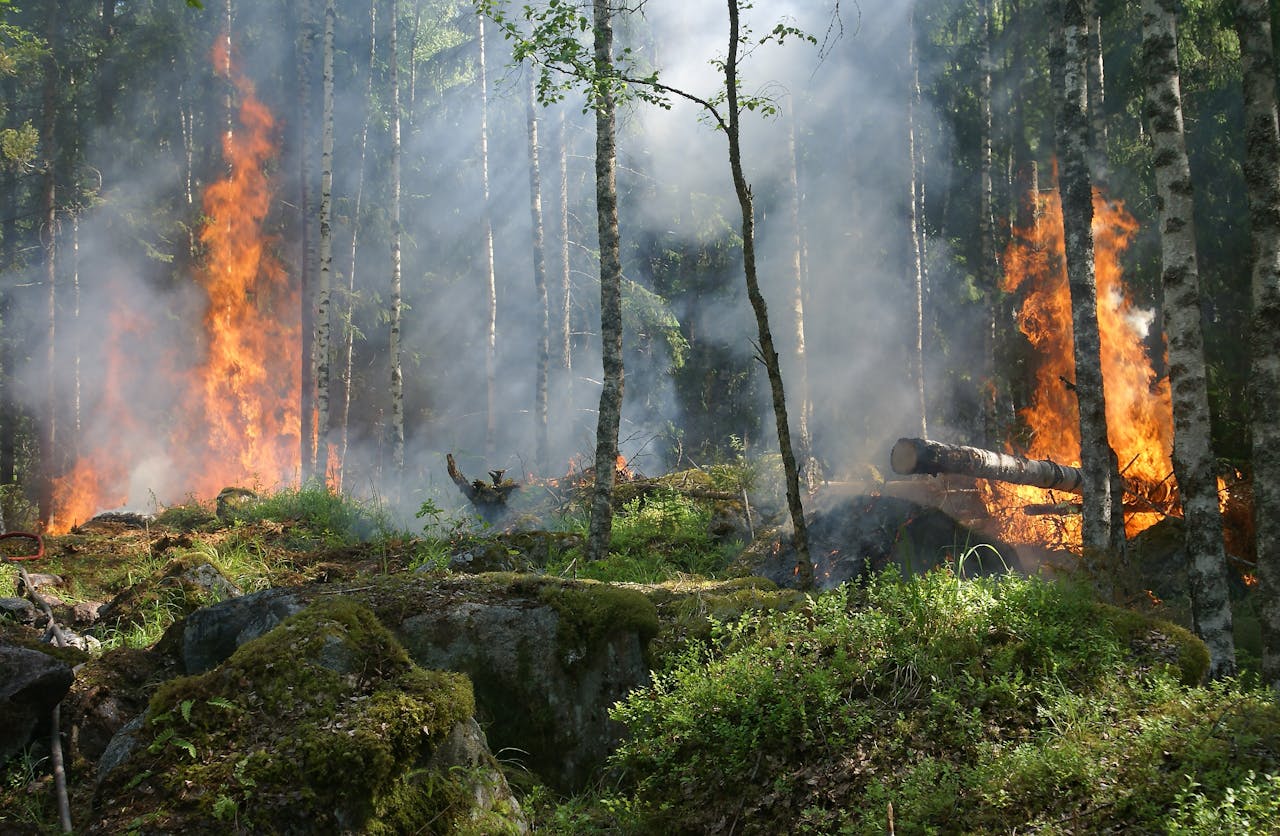
Earth has faced catastrophic events before, but the supercomputer warns of a potential mass extinction comparable to the one that wiped out the dinosaurs 66 million years ago. Over hundreds of millions of years, the combination of supercontinent formation, atmospheric shifts, and extreme volcanism could drive mammalian species, including humans, to the brink.
This extinction scenario emphasizes the fragility of complex life when multiple global stresses coincide. While evolutionary adaptation may allow some species to survive, many others will likely vanish. By analyzing these projections, scientists gain insights into past extinctions and the potential vulnerabilities of current life forms, offering valuable lessons for conservation and climate mitigation today.
Survival Strategies
Faced with an apocalyptic future, humans may have several survival avenues. Biological evolution, while slow, could allow future generations to withstand higher heat or lower oxygen environments. Technological innovations, from climate engineering to artificial ecosystems, could counteract some environmental extremes. Perhaps most ambitious is the prospect of space colonization, offering humanity a chance to escape a dying Earth entirely.
These strategies are not mutually exclusive. Preparing for a future with extreme planetary changes demands creativity, foresight, and international collaboration. The supercomputer simulations highlight the urgency of these efforts, reminding us that survival is not guaranteed but can be enhanced through knowledge and action.
Ethical Considerations and Global Responsibility

Predictions of humanity’s potential extinction raise profound ethical questions. Should societies invest in long-term planetary survival, or focus on immediate crises? The supercomputer’s warnings underscore our moral responsibility to preserve ecosystems, manage resources wisely, and act collectively. Climate change, habitat destruction, and pollution are challenges where coordinated global action can make a difference.
International cooperation is critical, as no single nation can mitigate such enormous planetary risks alone. Ethical stewardship involves not only safeguarding human life but also protecting other species and maintaining the ecological balance that sustains all life. The choices we make today influence whether Earth remains a habitable planet for millions of years to come.
Conclusion
The supercomputer’s vision of humanity’s end is not meant to frighten but to inform. It is a powerful reminder of the fragility of life in the face of geological and cosmic forces. Addressing climate change, preserving biodiversity, and investing in scientific research are not optional; they are essential steps for long-term survival.
By understanding Earth’s potential futures, we can act wisely in the present. Public awareness, policy planning, and technological innovation are key tools in preparing for challenges that may unfold over millions of years. While extinction may ultimately be unavoidable, humanity has the opportunity to shape the planet’s trajectory and extend life’s tenure on Earth as far as possible.
Reference
- Scientists forewarn timing of ‘triple whammy extinction’ that will eradicate all life from Earth – wionews.com
- A Supercomputer Predicts When Humanity Will Go Extinct — Scientists Have Already Pinpointed the Date – indiandefencereview.com
- Science & Tech
- earth
- Scientists predict a ‘triple whammy extinction event’ on Earth – indy100.com