

The world’s sharpest minds aren’t confined to one corner of the globe; they’re shaping nations that lead in innovation, education, and discovery. Recent studies mapping global intelligence reveal fascinating insights into how countries cultivate brilliance, from rigorous schooling in East Asia to cutting-edge research hubs in Europe and North America.
But being “smart” today goes far beyond IQ scores. It’s about creativity, curiosity, and the power of collective learning. As data paints a clearer picture of which countries are setting the global pace for knowledge and progress, one truth stands out: the future belongs to nations that invest in thinking, not just technology.
Defining “Smartest Minds”

Intelligence is a many-faced concept, and the first task is deciding which face we’re measuring. Some studies count raw IQ averages; others combine education attainment, standardized test results, and innovation output. Those choices can dramatically change who tops the list.
Any ranking has limits. IQ tests capture logic and reasoning but don’t measure creativity, emotional awareness, or adaptability. Broader indexes add layers like university quality and patent production, but they also introduce bias through weighting. The smartest nations, therefore, are best seen as those excelling across multiple dimensions of intellect and progress.
Top Countries by Average IQ
When ranked by pure IQ estimates, East Asian and a few European nations dominate. Japan, Taiwan, Singapore, and Hong Kong consistently appear among the highest performers, reflecting decades of rigorous education systems and cultural emphasis on academic excellence.
However, IQ averages can differ depending on data source and testing methods. While one study might list Japan first, another could favor Singapore or Taiwan. Such variations remind us that intelligence is not absolute; it’s shaped by environment, access to education, and the criteria researchers choose to value.
Leading Nations in Education and Innovation
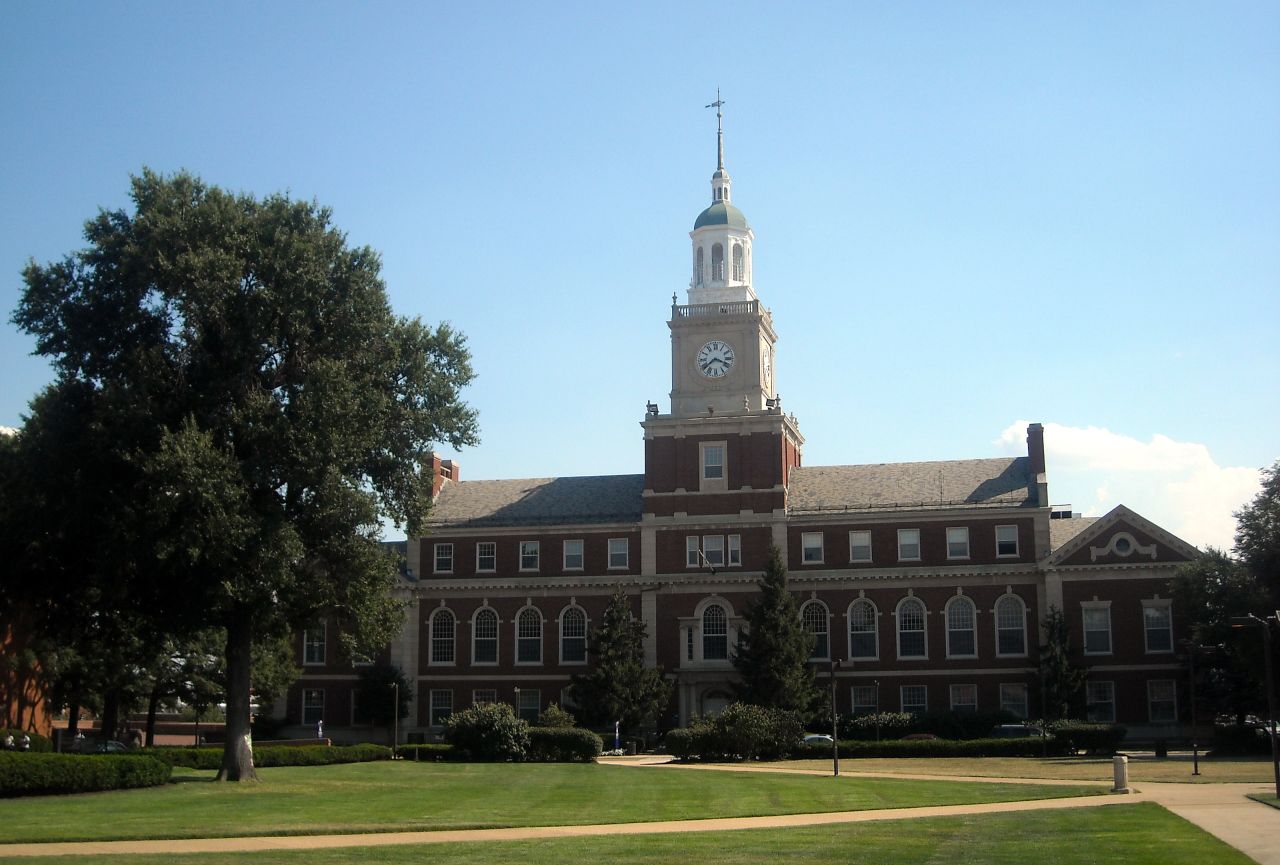
Beyond IQ, the real measure of national intellect lies in education and innovation. Countries like Switzerland, Finland, and South Korea consistently deliver top-tier education, strong literacy rates, and world-class university systems. They invest heavily in teachers, equitable access, and student well-being, producing generations prepared to think critically and solve problems creatively.
Innovation is the natural next step. The United States, Germany, and China lead globally in patents and research output, turning brainpower into tangible progress. Where education thrives, innovation follows, creating nations that aren’t just smart on paper but transformative in practice.
The Role of Innovation Ecosystems

A country’s intelligence doesn’t end in the classroom; it’s proven in how ideas are put to work. Nations that connect universities, industries, and government through innovation ecosystems turn abstract knowledge into real-world solutions. From Silicon Valley to Seoul’s tech districts, this collaboration accelerates growth and discovery.
But even the brightest ideas need infrastructure. Adequate funding, supportive regulation, and open immigration for skilled workers are the engines behind sustained innovation. Smart nations don’t simply have smart people; they build smart systems that keep them ahead.
Cultural and Societal Factors Behind Smart Nations
Culture plays a quiet yet powerful role in shaping national intelligence. In many high-ranking countries, education is deeply rooted in social values. Parents, teachers, and governments collectively uphold learning as a lifelong pursuit, not a phase. That shared mindset builds resilience, curiosity, and ambition across generations.
Public policies reinforce this foundation. Strong investments in early childhood education, nutrition, and health care ensure that cognitive development starts early and continues without barriers. The smartest societies are those that treat education not as a privilege, but as infrastructure.
Regional Patterns and Global Shifts
Across the map, clear clusters of intellectual strength emerge. East Asia and Northern Europe lead due to their long-standing commitment to education and innovation. Yet, new players are rising fast, and countries investing heavily in technology and research are steadily climbing global rankings.
The global balance of brainpower is shifting. Economies that once lagged are now producing world-class universities and tech sectors. Intelligence, as the data shows, is no longer confined by geography; it follows where investment, opportunity, and vision align.
Implications for Global Talent and Economy

Smart nations attract smart opportunities. Countries with high intellectual capital tend to draw foreign investment, top talent, and cutting-edge industries. That cycle feeds itself, educated citizens drive innovation, innovation fuels growth, and growth funds better education.
However, brainpower alone isn’t enough. Even high-IQ nations must balance intellectual achievement with social equity. Without inclusion, the benefits of intelligence can become concentrated, leaving gaps that stifle long-term progress. The world’s smartest countries are learning that wisdom lies in distributing opportunity, not hoarding it.
What to Watch Going Forward
As technology reshapes the world, the definition of intelligence will evolve. Future rankings may weigh digital literacy, AI readiness, and lifelong learning alongside traditional IQ and education scores. The nations that adapt fastest will define what “smart” truly means in the modern era.
What’s certain is that intellect now extends beyond memorization; it’s about adaptability, creativity, and collaboration. The smartest countries of tomorrow will be those that keep learning, keep innovating, and keep making knowledge accessible to all.
Reference
- In the race to attract the world’s smartest minds, China is gaining on the US – edition.cnn.com
- This is the highest IQ recorded in the world in 2025 – www.sciencefocus.com
- Top 10 Countries With the Highest IQ in the World – .jagranjosh.com