

If your last few trips felt slower from curb to runway, you’re not imagining it. A prolonged shutdown collided with long-standing controller shortages, and the safety steps that keep flights secure also make them slower. The net effect: deliberate operational throttles, fragile hubs, and longer queues that turn small hiccups into day-long headaches, especially as holidays loom and officials warn parts of the airspace could face limits if staffing worsens.
ATC Staffing Crisis Hits Capacity
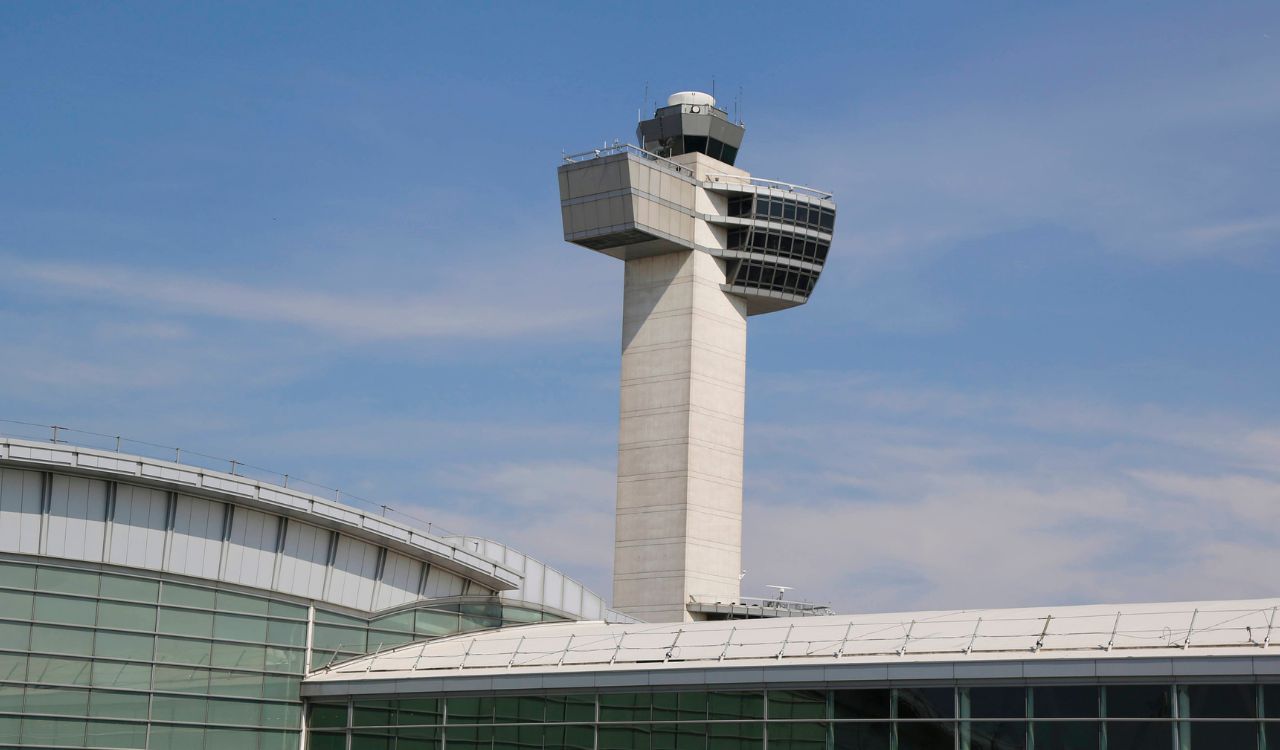
Even before the shutdown, controller staffing was stretched; then unpaid shifts, fatigue, and a surge in callouts pushed key facilities past safe thresholds, leading to reduced acceptance rates and slower departures across dozens of sites in a single weekend. In severe cases, facilities limited operations, instantly cutting throughput at major hubs and rippling delays nationwide, a reminder that a few short-staffed centers can detune the whole day.
Safety Throttles By Design

Fewer controllers means slower flow, by design. To preserve separation with fewer certified positions staffed, the system leans on ground stops, ground delay programs, reroutes, and lower flow rates. These are intentional slowdowns that keep skies safe but trade minutes for margin, turning ordinary rushes into long waits. Operational updates show facilities shifting to reduced acceptance rates that swell queues at gates and on taxiways.
Hubs That Jam The Network
When chokepoints like Newark, Dallas–Fort Worth, or Denver slip, the effects spread within hours; crews misconnect, aircraft and gates misalign, and buffer time evaporates. Reports show that even a handful of short-staffed control centers can magnify small delays into rolling disruptions across regions and carriers, especially through the afternoon push when recovery windows shrink and schedules fall out of sync.
Security Lines Become Tripwires
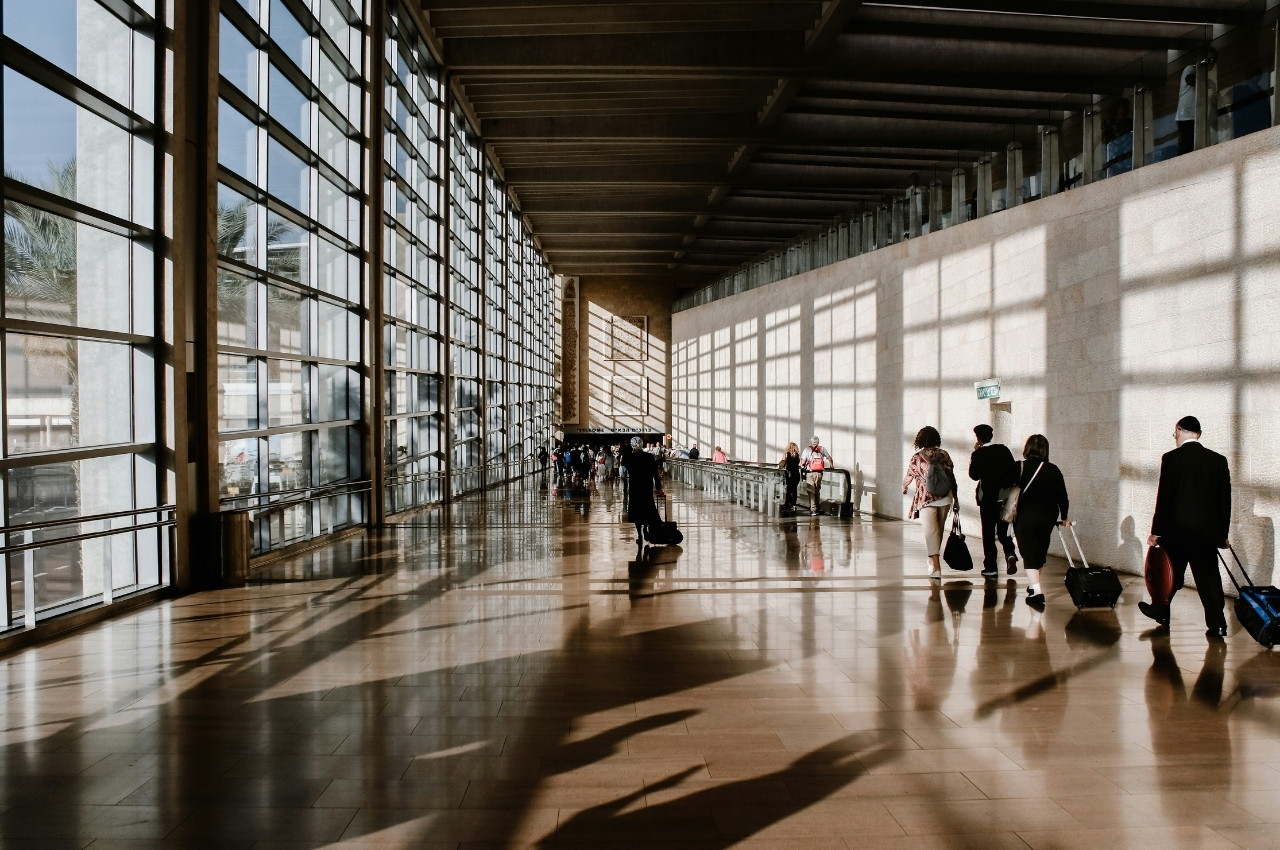
Landside strain adds to the pain. TSA and airport staffing pressure lengthen queues and inject uncertainty that pushes tight connections over the edge, forcing rebooks even when flights can depart. Queue times vary by airport and time of day, but during shutdown stretches these frictions stack atop ATC measures, so travelers can miss wheels-up simply because checkpoint waits erased precious minutes.
Scale That Reshapes Travel Plans

The numbers tell the story; thousands of delays in short windows, millions of passengers affected, and warnings that holiday peaks could magnify the pain unless staffing and operations stabilize. Officials have even floated partial airspace closures if conditions worsen, an extraordinary signal of how thin the margin is, nudging travelers to add buffers, book earlier departures, and keep connections flexible until resilience returns.