
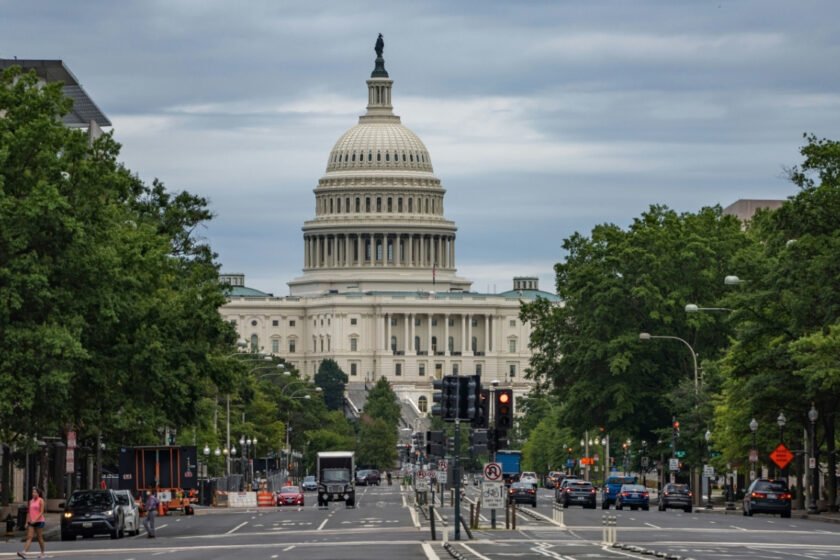
For decades, the United States was a top destination for European travelers drawn by its landmarks, culture, and entertainment. But in recent years, concerns about politics, safety, and travel restrictions have made some Europeans reconsider. According to the U.S. National Travel and Tourism Office, European arrivals have declined at times when political tensions and security concerns were high. Interviews with travelers reveal hesitations tied to everything from strict border enforcement to fears of discrimination. These issues highlight how the global perception of America can shape tourism decisions in unexpected ways.
Strict Border Controls Raise Concerns

Many Europeans hesitate to visit the U.S. because of reports about travelers being denied entry for seemingly minor issues. In interviews, some cited stories of tourists being detained over mistakes on paperwork. According to the U.S. Customs and Border Protection, even small errors on travel documents can lead to delays or denied entry. This strict enforcement has left potential visitors uneasy, fearing they could face harsh treatment. For some, the idea of being turned away at the border overshadows the excitement of visiting America’s major cities and attractions.
Political Climate Creates Division

Politics play a large role in shaping perceptions of the U.S. For some Europeans, disagreements with American leadership make them reluctant to spend money in the country. In particular, figures like Donald Trump were often mentioned as reasons for avoiding travel. According to Pew Research Center surveys, European confidence in U.S. leadership declined sharply during his presidency. For travelers who feel that tourism dollars indirectly support political systems they oppose, choosing another destination feels more comfortable. This perspective shows how global politics directly influence personal travel decisions.
Safety Worries From News Coverage

High-profile incidents covered in European media contribute to fears about visiting America. Interviewees mentioned robberies, police actions, and unrest as reasons for hesitation. According to Eurostat’s reports on travel behavior, perceived safety strongly influences European tourism choices. Even isolated events, when amplified in international headlines, create the impression that risks are widespread. For some travelers, personal stories of theft or violence reinforce these concerns. As a result, destinations within Europe or Canada often feel like safer, more predictable alternatives compared to trips across the Atlantic.
Fear of Discrimination

Another factor discouraging some Europeans is concern about discrimination, especially among LGBTQ travelers. Interviewees expressed worries about being targeted or profiled at borders or within the country. According to the European Travel Commission, inclusivity and a welcoming environment are important factors in destination choice for modern travelers. While the U.S. offers many inclusive communities, negative headlines about discrimination and social tensions can outweigh that reality for some visitors. For those who fear being singled out, destinations with reputations for greater acceptance may feel like a better fit.
Declining Tourism Numbers

Several travelers noted hearing that fewer Europeans are visiting the United States, and research supports this perception. According to the U.S. Department of Commerce, visitation from Western Europe fell by nearly 30 percent during politically tense years. This drop was especially visible among leisure travelers, while business trips remained steadier. Some Europeans see the decline as a form of quiet protest, choosing other destinations until conditions improve. The numbers reflect how political climates, combined with personal safety fears, directly impact international tourism decisions.
Personal Experiences Shape Choices
For many, decisions not to return to the U.S. come from firsthand experiences. One traveler described being robbed in New York and losing valuable photography equipment, an event that shaped her lasting impression of America. According to the European Travel Commission, word-of-mouth experiences remain one of the strongest influences on travel planning. While millions enjoy trips to the U.S. without incident, a single negative experience can discourage repeat visits. In small European communities, those stories spread quickly, influencing how others view the idea of traveling overseas.
Alternatives Closer To Home
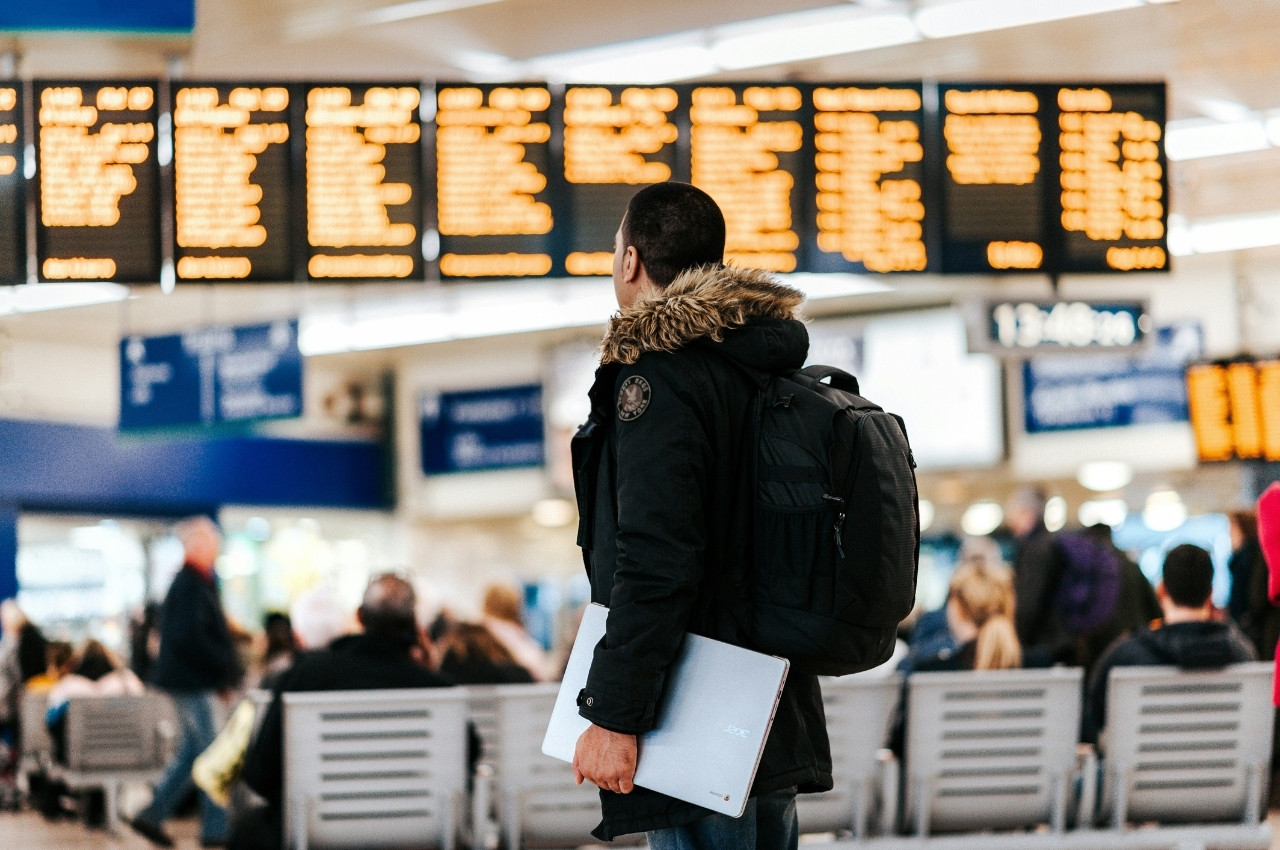
With hesitations about the U.S., many Europeans are choosing destinations closer to home or within regions they perceive as safer. Interviews revealed interest in traveling across Europe, as well as to destinations in Asia and South America. According to the European Commission’s travel trends report, intra-European travel continues to grow, especially for short and medium trips. The sense of cultural variety without the risks associated with strict border controls makes Europe an attractive choice. For many, the combination of convenience and safety outweighs the appeal of visiting the U.S. right now.