


For years, busyness was worn like a badge of honor in American culture. Constant schedules, packed calendars, and visible exhaustion were often equated with productivity and success. Recently, however, many Americans have begun questioning this mindset. Without fanfare, they are redesigning daily life around calm, intention, and emotional sustainability rather than constant motion.
Redefining Productivity

Many Americans are separating productivity from constant activity. Being busy is no longer viewed as proof of value or ambition. People are prioritizing meaningful output over nonstop effort. This shift reflects growing awareness that rest improves focus and long-term performance rather than hindering it.
Protecting Unscheduled Time

Unstructured time is increasingly treated as essential rather than wasted. Americans are intentionally leaving gaps in their calendars. These open spaces allow for rest, creativity, and spontaneous connection. The practice represents a quiet resistance to over-optimization of daily life.
Simplifying Commitments

Many people are reducing obligations that add stress without purpose. Social, professional, and family commitments are being evaluated more critically. Saying no is becoming socially acceptable rather than selfish. This trend reflects a deeper desire for intentional living over obligation-driven routines.
Designing Slower Mornings

Rushed mornings are being replaced with calmer routines. Americans are waking earlier or adjusting schedules to reduce chaos. Slow starts improve mood, patience, and decision-making throughout the day. The change supports emotional regulation and long-term well-being.
Reconsidering Hustle Culture
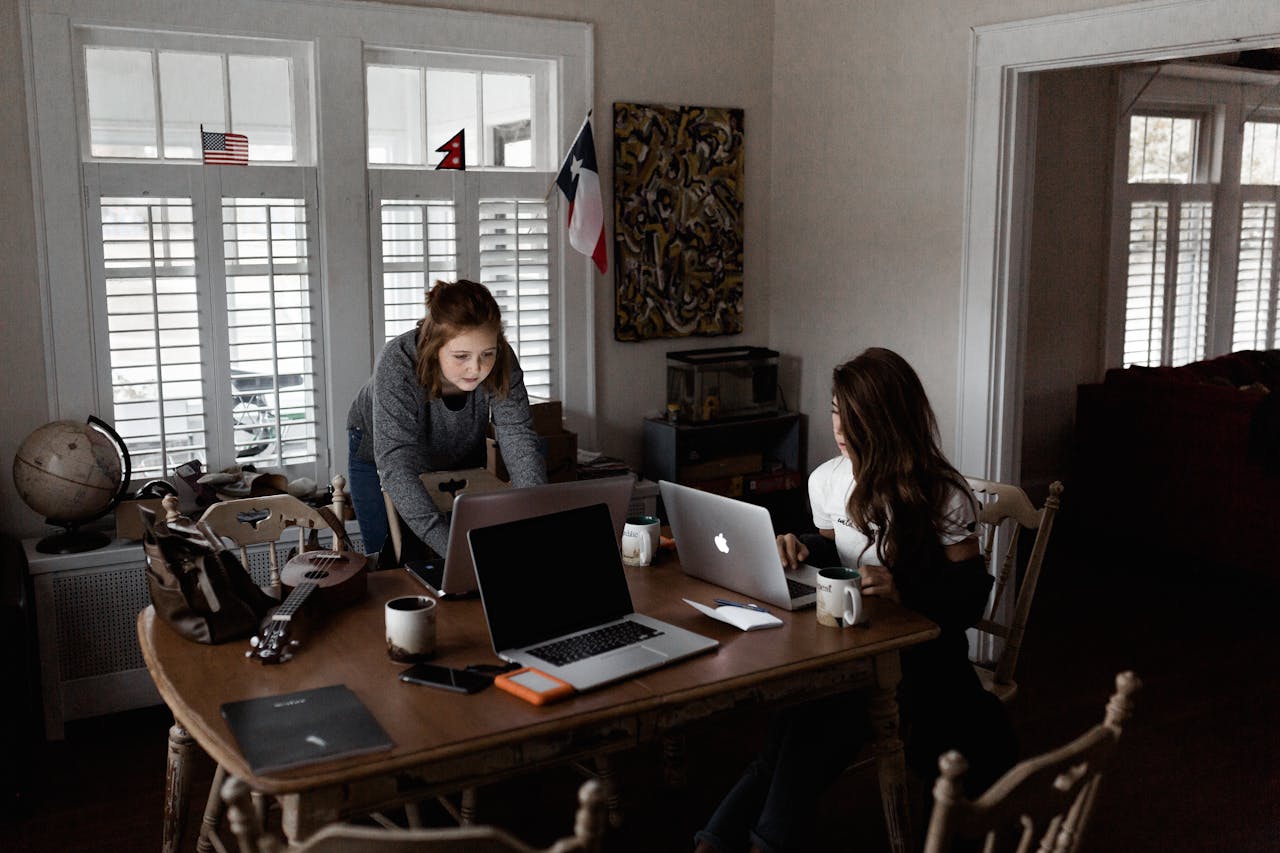
The glorification of constant hustle is losing influence. Americans are questioning narratives that reward burnout. Balance is increasingly valued over relentless ambition. This cultural shift reflects changing definitions of success and self-worth.
Prioritizing Mental Health

Mental health awareness has reshaped daily decision-making. Americans are recognizing that constant busyness can worsen anxiety and stress. Daily calm is now seen as preventive care rather than indulgence. This perspective influences work habits, social boundaries, and lifestyle design.
Choosing Fewer Activities

Families and individuals are reducing overscheduling. Fewer activities allow deeper engagement and enjoyment. This approach contrasts with years of maximizing productivity through constant participation. The shift supports presence rather than performance.
Embracing Quiet Evenings

Evenings are being reclaimed for rest instead of productivity. Americans are limiting late-night work and obligations. Quiet routines promote better sleep and emotional recovery. This change reflects a broader rejection of constant availability.
Creating Technology Boundaries

Digital overload contributes significantly to feelings of busyness. Americans are setting limits on notifications and screen time. These boundaries reduce mental clutter and improve focus. Calm is being protected from constant digital interruption.
Valuing Energy Over Time

Instead of measuring days by hours filled, people are assessing energy levels. Activities that drain emotional or mental energy are being minimized. This reframing supports sustainable living. Calm becomes a resource to preserve rather than an afterthought.