
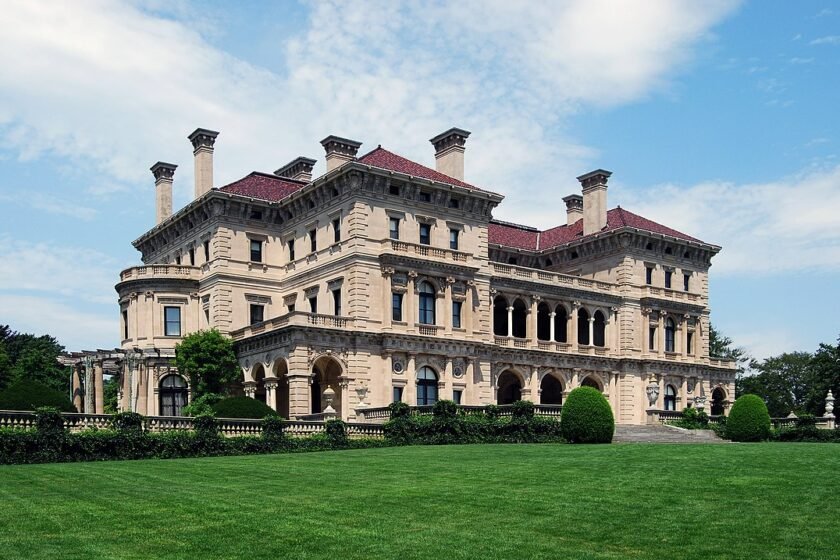
Century homes with multiple chimneys are more than just striking architectural statements—they offer a glimpse into the lifestyle, technology, and building practices of the past. Before central heating, fireplaces were the primary source of warmth, and homes needed multiple chimneys to heat different rooms efficiently.
Beyond heating, chimneys also reflected social status, regional influences, and technological advancements. Whether found in grand estates or modest farmhouses, multiple chimneys tell the story of how homes were designed to meet the needs of their time.
The Purpose of Multiple Chimneys in Century Homes

Heating an Entire Home Before Central Heating
In the 18th and 19th centuries, fireplaces were the main source of heat, and every major living space required one. Multiple chimneys allowed each room to have its own fireplace, ensuring that heat could be distributed evenly throughout the home.
Larger homes often had multiple hearths connected to different flues, all leading to a shared chimney stack. Colonial, Victorian, and Federal-style homes commonly featured these designs, ensuring that every bedroom, parlor, and kitchen remained warm during harsh winters.
Separate Chimneys for Cooking and Living Spaces
In early American homes, kitchens were typically separate from the main living areas, often located in detached buildings or rear additions to prevent cooking fires from spreading. These kitchens had their own chimneys for large hearth fireplaces, which were used for baking, boiling, and roasting.
Homes with two or more chimneys often had one dedicated entirely to the kitchen hearth, while others served bedrooms and living areas. This design was especially common in Georgian and Colonial homes, where fireplaces played a dual role in heating and meal preparation.
Multi-Generational and Servant Quarters Heating
Many century homes were designed for large, multi-generational families or included separate servant quarters. These homes required additional fireplaces to heat multiple living spaces.
For example, grand Victorian mansions and plantation homes often had separate fireplaces for the servants’ quarters, private studies, and formal sitting rooms, requiring multiple chimney stacks. This setup ensured that every part of the house remained warm without relying on a single fireplace.
Architectural Styles That Commonly Featured Multiple Chimneys

Colonial and Federal-Style Homes
Colonial homes, particularly in New England and the Mid-Atlantic, often featured two to four chimneys. These symmetrical designs typically had one chimney on each side, reflecting the balanced and practical nature of the time.
Federal-style homes, which evolved from Colonial designs, often enhanced the visual appeal of chimneys, making them taller and more refined while still serving practical heating functions.
Victorian and Queen Anne Homes
By the late 19th century, Victorian homes embraced decorative and functional chimneys, often incorporating multiple ornate brick or stone stacks. These homes had multiple parlors, bedrooms, and sitting areas, each with its own dedicated fireplace, requiring separate chimneys to vent smoke.
Queen Anne homes, known for their asymmetry and elaborate rooflines, often had several chimneys placed at different angles to complement the architecture. These chimneys were sometimes purely decorative, reflecting the grandeur and status of the homeowner rather than purely functional heating needs.
Southern Plantation Homes and Large Estates
In the South, plantation homes often had multiple chimneys to serve both the main house and detached kitchen buildings. These chimneys were often tall, narrow, and made from locally sourced brick, designed to efficiently vent smoke and withstand humid conditions.
Additionally, larger estates featured grand fireplaces in formal dining halls, libraries, and master suites, necessitating more than one chimney stack.
Farmhouses and Rural Homes
Rural farmhouses and homesteads used multiple chimneys for practicality rather than aesthetics. These homes typically had:
- A large central chimney for heating and cooking
- Smaller chimneys in bedrooms or loft spaces
- A kitchen chimney separate from the living area
This layout allowed farmers to stay warm while maintaining separate heating areas for cooking, sleeping, and daily activities.
Final Thoughts
Multiple chimneys in century homes were a necessity for heating, cooking, and comfort before modern technology made central heating standard. Whether found in Colonial, Victorian, or farmhouse-style homes, these chimneys tell the story of early American home life, craftsmanship, and the evolution of home design.
Today, multiple chimneys remain a beloved feature in historic homes, adding both character and a connection to the past, proving that even as technology changes, the charm of a well-built fireplace never fades.