
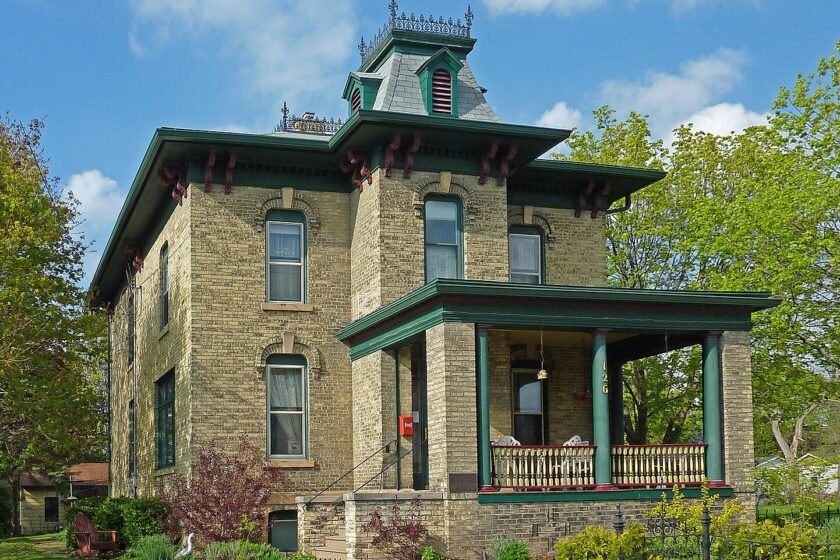
Wraparound porches are one of the most recognizable architectural elements of Southern century homes. More than just a design feature, these porches served practical purposes, helping homeowners combat the region’s hot and humid climate while fostering a sense of community.
Found in grand antebellum mansions, cozy farmhouses, and Victorian-era homes, wraparound porches became a defining symbol of Southern living, providing shade, comfort, and a welcoming gathering space for family and neighbors.
The Role of Wraparound Porches in Southern Homes

Designed for Comfort in a Hot Climate
Before the invention of air conditioning, Southern homes relied on architectural techniques to keep interiors cool. Wraparound porches provided much-needed shade by shielding exterior walls from direct sunlight, helping to regulate indoor temperatures. The extended eaves and open-air design allowed for natural ventilation, promoting airflow throughout the house. Many homes also featured tall windows and transoms that opened onto the porch, allowing cross breezes to cool interior rooms.
Porches were often paired with high ceilings and raised foundations, further enhancing airflow and minimizing heat retention. These design choices made homes significantly more comfortable during the sweltering summer months, demonstrating how function and beauty were seamlessly blended in Southern architecture.
A Social and Family Gathering Space
In the South, porches were an extension of the home, serving as a natural gathering place for family and friends. Mornings were spent enjoying coffee in rocking chairs, afternoons were for escaping the heat with iced tea, and evenings became a time for neighbors to drop by for casual conversation.
Unlike formal parlors or drawing rooms, which were reserved for special occasions, porches were informal and inviting. They allowed homeowners to interact with passersby, reinforcing the strong sense of community that was a hallmark of small Southern towns. Many porches featured swings, ceiling fans, and wicker furniture, creating a comfortable space to relax and enjoy the outdoors.
Architectural Styles That Featured Wraparound Porches
Wraparound porches were a defining element of several architectural styles that shaped Southern homes.
Antebellum mansions often featured large, columned porches that wrapped around multiple sides of the house, reinforcing their grandeur while offering shaded outdoor living spaces. Greek Revival and Classical Revival homes embraced these porches as a way to emphasize symmetry and elegance.
Victorian homes, particularly those in the Queen Anne style, incorporated decorative wraparound porches with ornate woodwork, turned balusters, and intricate spindle railings. These porches weren’t just practical; they were designed to showcase the craftsmanship and wealth of the homeowner.
More modest Folk Victorian and Southern farmhouses also included wraparound porches, often with simple wooden posts and railings. While less ornate than their Victorian counterparts, these porches served the same purpose—providing shade, ventilation, and a welcoming outdoor space.
Protection from the Elements
Southern weather is known for its unpredictability, with sudden rain showers and intense summer heat being common occurrences. Wraparound porches acted as a protective barrier, allowing homeowners to enjoy the outdoors while remaining shielded from the elements.
Beyond offering shelter, the porches also protected the home’s structure. The overhanging eaves helped prevent water damage by directing rain away from windows and wooden siding. They also reduced sun exposure, preserving the home’s paint and materials.
A Space for Both Work and Leisure
While wraparound porches were often used for leisure, they also served practical purposes. In rural homes, porches provided a shaded workspace for tasks like shelling peas, knitting, or repairing tools. The space was particularly useful for household chores that were too messy for the indoors but needed protection from the heat or rain.
Porches were also a place for children to play, offering a safe, shaded area where they could be supervised while still enjoying the fresh air. Many families even used the porch for outdoor dining, setting up tables and chairs to enjoy meals in the cooler evening hours.
Final Thoughts
Wraparound porches were an essential feature of Southern century homes, offering relief from the heat, fostering social connections, and providing a beautiful architectural element that defined the region’s homes. More than just a decorative feature, these porches were a way of life—spaces where people gathered, worked, and enjoyed the simple pleasures of Southern living. As historic homes continue to be preserved and modern homes incorporate elements of the past, the wraparound porch remains a timeless symbol of hospitality and charm.